

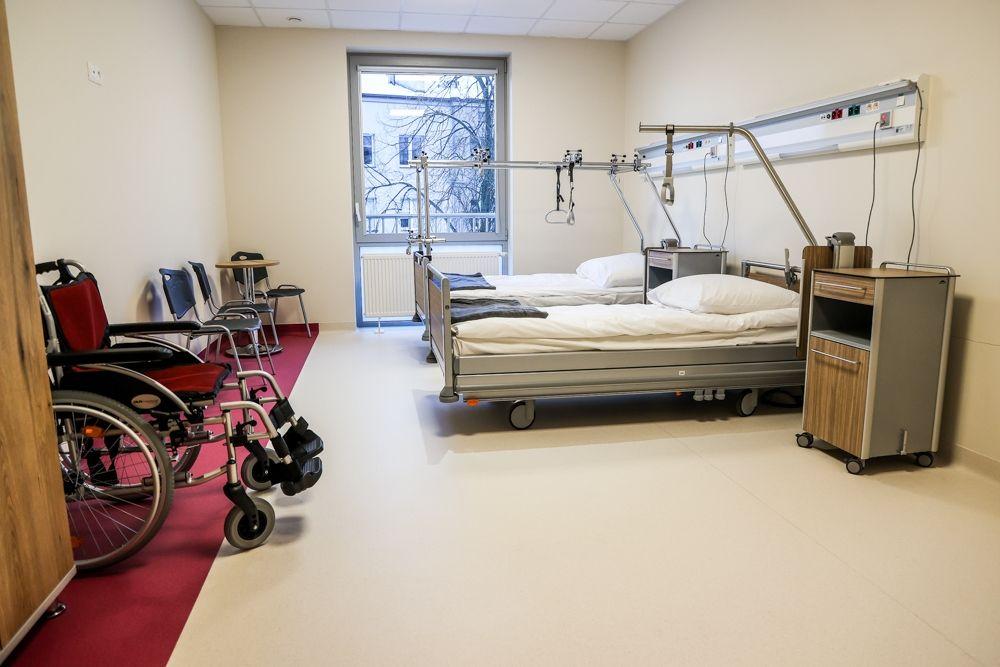
Electric Care Bed Project for a Spinal Injury Rehabilitation Center in Poland
A spinal injury rehabilitation center in Poland required adjustable care beds for patients with significant mobility limitations and extended rehabilitation needs. Many patients remained in bed for long periods during the early stages of recovery and required regular assistance with positioning, personal care, and transfers.
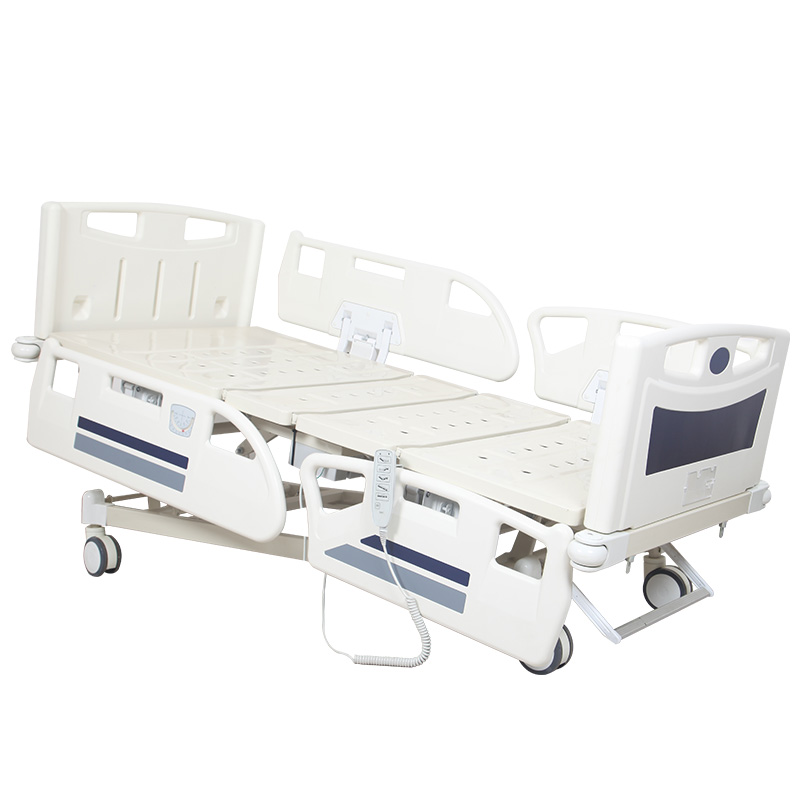
After reviewing the facility's nursing and rehabilitation workflow, we recommended a multi-function Electric Care Bed configuration designed to provide flexible positioning and practical support for long-term rehabilitation environments.
Project Background
Specialized Spinal Injury Rehabilitation
The center provides rehabilitation and nursing services for patients recovering from spinal cord injuries, spinal surgery, and other conditions that significantly affect mobility. Patient care requirements can change considerably throughout the rehabilitation process.
Extended Bed-Based Care
During early recovery, some patients require extensive bedside support and frequent position changes. Fixed or basic beds can create additional manual work for nursing teams.
Project Requirements
- Multiple electric adjustment functions
- Height adjustment for nursing procedures
- Flexible positioning for extended care
- Practical support during patient transfers
- Reliable operation in a rehabilitation facility
Recommended Electric Care Bed Configuration
Electric Backrest Adjustment
The backrest can be raised gradually to provide supported upper-body positioning. This function is useful for meals, communication, selected rehabilitation activities, and routine daily care.
Electric Knee Section Adjustment
Knee positioning provides additional bed configuration options for patients who require regular posture changes during extended periods of bed-based care.
Vertical Height Adjustment
The bed can be raised to a more practical working level during hygiene care, repositioning, and other nursing procedures. It can then be lowered according to patient transfer and facility requirements.
Platform Positioning Functions
Selected bed configurations provide additional platform adjustment, giving professional care teams greater flexibility according to patient conditions and established care procedures.
Supporting Long-Term Rehabilitation Care
Frequent Patient Repositioning
Patients with severely limited mobility may require regular assistance when changing position. Electric bed adjustment reduces the need to manually lift individual bed sections during routine care.
Progressive Sitting Support
As rehabilitation progresses, adjustable backrest positioning can support gradual changes from flat bed rest toward more upright positions according to professional rehabilitation plans.
Bedside Rehabilitation Activities
Different bed positions can be prepared for selected therapist-guided activities and bedside rehabilitation procedures.
Changing Care Requirements
A flexible Electric Care Bed can continue supporting patients as their mobility and daily nursing requirements change during longer rehabilitation periods.
Patient Transfer Considerations
Bed and Wheelchair Transfers
Spinal rehabilitation facilities frequently manage transfers between beds and wheelchairs. Bed height should be considered together with wheelchair dimensions and facility transfer procedures.
Height Adjustment Before Transfer
The adjustable bed level provides additional flexibility when care teams prepare patients for assisted transfers.
Stable Caster and Brake Systems
Reliable caster and braking configurations are important when beds are repositioned or used during transfer preparation.
Side Rail Configuration
Side rail designs should be selected according to patient mobility, transfer procedures, and the rehabilitation center's daily care requirements.
Project Configuration Review
Understanding the Patient Group
Before confirming the bed configuration, we discussed common patient mobility conditions and the center's typical rehabilitation process.
Reviewing Bed Functions
Backrest adjustment, knee positioning, bed height, platform functions, side rails, casters, and braking systems were reviewed according to the application.
Accessory Selection
Mattresses, IV poles, overbed tables, and other accessories were considered according to bedside nursing and rehabilitation requirements.
Spare Parts Planning
Electric and mechanical service components were reviewed to support the facility's long-term equipment maintenance planning.
Manufacturing and Quality Inspection
Bed Frame Production
Steel structures were processed through cutting, welding, surface preparation, and coating before entering the assembly process.
Electric System Installation
Actuators, control components, wiring, and handsets were installed according to the confirmed Electric Nursing Bed functions.
Repeated Movement Testing
Electric backrest, knee, height, and platform movements were operated during final inspection to confirm normal adjustment.
Mechanical Component Inspection
Side rails, casters, braking systems, structural connections, and other mechanical components were checked before packing.
Project Results
More Flexible Rehabilitation Bed Management
Adaptable Positioning
Care teams could prepare different bed positions according to patient mobility and rehabilitation stages.
Practical Nursing Working Height
Electric lifting allowed the bed level to be adjusted during selected nursing procedures instead of requiring caregivers to work continuously at a fixed height.
Support for Changing Patient Needs
The multi-function bed configuration provided flexibility as patients progressed through different stages of long-term rehabilitation.
Choosing an Electric Care Bed for Spinal Rehabilitation
Review the Height Adjustment Range
Buyers should confirm both minimum and maximum bed height and compare the range with nursing and transfer requirements.
Consider Long-Term Electric Use
For rehabilitation facilities, actuators, control systems, handsets, and wiring may be operated frequently. Electric component reliability should therefore be considered during procurement.
Evaluate Bed Structure and Load Requirements
The bed frame, platform structure, and specified safe working load should be reviewed according to expected patient applications.
Plan for Maintenance
Spare handsets, actuators, casters, and commonly serviced components should be discussed when purchasing beds for continuous facility use.
Related Rehabilitation Care Solutions
Electric Nursing Bed for Extended Patient Care
Our Electric Nursing Bed range provides adjustable configurations for rehabilitation centers, nursing facilities, and long-term care applications.
Medical Bed for Clinical Care
For hospitals and inpatient departments, our Medical Bed solutions are designed for professional clinical and patient care environments.
Electric Care Bed Manufacturing for Rehabilitation Facilities
Support for International Healthcare Projects
OEM and ODM Bed Configuration
Electric functions, bed dimensions, side rail systems, accessories, colors, labels, logos, and packaging can be discussed according to project requirements.
Project Quantity Production
Production planning can be organized according to order quantity, selected configurations, and required shipment schedules.
Spare Parts Support
Electric and mechanical service components can be discussed according to selected models and long-term maintenance requirements.
International Export Preparation
Our Electric Care Bed products are developed for rehabilitation centers, nursing facilities, healthcare distributors, and project buyers serving international markets.
Frequently Asked Questions
Is an Electric Care Bed suitable for spinal injury rehabilitation?
An adjustable care bed can provide flexible positioning and nursing support for spinal rehabilitation environments. The final bed configuration should be selected according to facility and patient care requirements.
Can the bed height be adjusted electrically?
Yes. Selected Electric Care Bed configurations provide electric height adjustment for nursing and transfer-related applications.
Can different electric functions be customized?
Yes. Bed functions, side rails, accessories, and other configurations can be discussed according to OEM, ODM, and healthcare project requirements.
Can spare electric components be supplied?
Spare actuators, handsets, and selected service components can be discussed according to the bed model and order requirements.
Discuss Your Rehabilitation Care Bed Project
Select a Bed Configuration for Long-Term Rehabilitation
If you are sourcing beds for a spinal injury rehabilitation center, long-term recovery facility, or specialized nursing project, our team can help review electric functions, height requirements, transfer considerations, and accessories.
Explore our Electric Care Bed range for adjustable solutions designed for rehabilitation and extended patient care.