

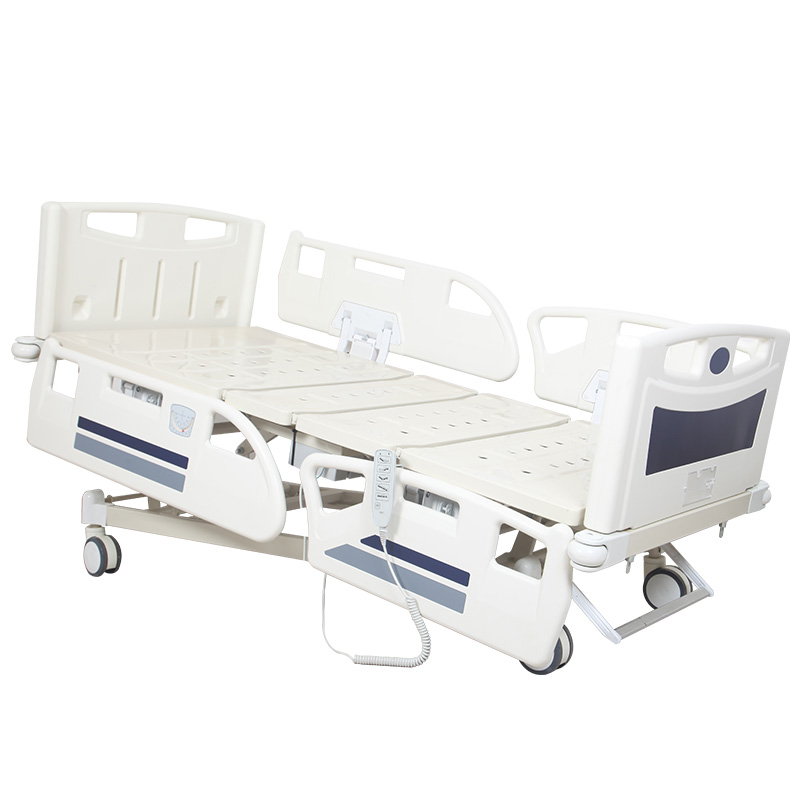
A distributor approves an electric hospital bed from a Chinese manufacturer. The sample operates smoothly. The backrest rises correctly. The leg section adjusts normally. Height adjustment works. The handset responds as expected. The buyer confirms the order. But there is one important question that has not been fully specified: What electrical configuration will be supplied? This matters because an Electric Hospital Bed is not only a mechanical product. Depending on the model, it may contain: The final electrical configuration therefore needs to match the destination market, the exact bed design and the project requirements. “220V electric hospital bed” is not a complete electrical specification. Before requesting a quotation, tell the manufacturer where the beds will be used. The supplier's normal domestic configuration may not be the correct configuration for the destination market. Depending on the destination and electrical design, the required mains input may differ. Actual electrical ratings should be taken from the approved power supply and product documentation. Electrical mains systems can also differ in frequency. The answer should come from the manufacturer's electrical specification and component rating. A plug can physically fit an outlet while the electrical configuration still needs verification. For example, the purchasing specification should identify the required electrical input according to the destination project rather than writing only: “European plug.” A buyer may focus on: and leave the power plug until later. If 300 beds are produced with the wrong power-cord configuration, the issue affects 300 units. Do not rely only on a country name if the project has a specific requirement. The sample should represent the intended production configuration where practical. Many electric bed systems use a power supply or control system that converts incoming mains electricity for the bed's electrical components. Buyers may need to understand: A buyer may ask: “Is your motor 220V?” But that may not accurately describe how the complete system is designed. For important electrical components, the manufacturer should be able to identify the model and relevant rated specifications. Electric hospital bed performance depends on a system of components working together. Depending on the procurement requirement, useful information can include: If the approved sample uses one power supply, ask whether the same configuration will be used for the bulk order. If a substitution is required, the buyer should understand whether it affects the approved technical configuration or required documentation. Some electric hospital bed configurations may include a battery system while others may not. Do not judge the battery only by its capacity number. Depending on the exact system, the battery may be intended to support specific operation when mains power is unavailable. Do not assume every electric function remains available in exactly the same way. This is important when comparing quotations. An electric hospital bed is not normally operating its actuators continuously for hours. Actual performance can depend on factors such as: Useful information may include: This becomes important during long-term maintenance. If the ordered configuration includes battery backup, disconnect mains power under the appropriate test conditions and verify the intended behavior. The test should follow the manufacturer's instructions and the agreed configuration. If the system provides indicators or alarms, staff should understand what they mean. Hospital room layouts vary. An electric bed contains moving sections. During sample testing, move the bed through its intended adjustment range and observe the cable arrangement. Check whether cables remain appropriately positioned around: Do not inspect only the technical datasheet. Check whether model identification and rated information are consistent with the approved configuration. A distributor may request: Technical labeling should remain consistent with the applicable product configuration and regulatory requirements. For regulated medical products, documentation requirements depend on the destination market and the exact product configuration. These may include, where applicable: A report for another bed model or another electrical configuration should not automatically be assumed to cover the bed being purchased. Do not assume that changing a power supply or other electrical component has no documentation implications. A distributor purchasing 300 electric hospital beds also needs to think about future service. Depending on the model, these may include: “Hospital bed motor” is not a sufficient spare-part description. Two actuators or control boxes that look similar may not necessarily be interchangeable. For a large installation, keeping appropriate electrical service components locally may reduce downtime. The showroom bed may use the manufacturer's domestic electrical configuration. Differences may include: If possible, approve the bed with the actual electrical components intended for mass production. Record labels and component identification where appropriate. A component may become unavailable. The supplier may propose an alternative. It means critical changes need to be controlled. Depending on the project, it may identify: If approval is required, communication should happen before substitution enters mass production. The number of actuators, control requirements and optional features can differ. For example: More advanced hospital bed configurations may include additional control functions. But professional medical equipment procurement should begin with the correct intended electrical configuration. Do not assume an external converter is an appropriate substitute for ordering the correct electrical system. For larger projects, involve the relevant technical personnel before the purchase specification is finalized. Tell the supplier where the bed will be installed. Specify the required voltage and frequency according to the project. Identify the required plug or power-cord configuration. Request the model and rated specifications. Request the manufacturer, model or other required identification. Confirm compatibility with the complete bed configuration. Confirm functions and interface. State whether it is required and confirm its intended operation. Confirm type, configuration and length. Verify the final export configuration. Define the required documents for the destination market and project. Request an electrical service-parts list for bulk orders. Define which substitutions require buyer approval. Electric hospital bed buyers naturally focus on the visible parts of the product. The side rails. The headboard. The casters. The mattress platform. The number of functions. But the electrical system deserves the same procurement discipline. Before approving a bulk order, confirm: the required mains input, frequency, plug configuration, power supply, actuators, control box, handset, battery, power cable, labels, documentation, and replacement components. The important question is not simply whether an electric hospital bed works when connected to power. The question is whether the exact electrical configuration being mass-produced is appropriate for the destination project and matches the configuration the buyer approved. For international procurement, these details should be settled before production rather than corrected after the beds arrive. Hebei Heyuan Medical Equipment Co., Ltd. manufactures electric hospital beds, 3-function and 5-function hospital beds, ICU beds and related medical furniture for hospitals, medical equipment distributors and international healthcare projects. Buyers can explore our Hospital Bed range to compare different electric hospital bed configurations. For distributor orders, tenders, OEM projects or bulk electric hospital bed procurement, please contact us with the required model, quantity, destination country, electrical requirements and project documentation needs.An Electric Hospital Bed That Works in the Factory May Not Be Ready for Your Country
1. Start With the Destination Country — Not the Factory's Standard Configuration
Different Markets Can Have Different Mains Power Requirements
Do Not Simply Ask for the Supplier's “Standard Voltage”
Confirm the Required Input Voltage
Common Questions Include
Do Not Assume “110V” and “220V” Tell the Whole Story
Record the Exact Rated Input Rather Than Using a Casual Market Description
2. Confirm Frequency as Well as Voltage
Buyers Often Remember Voltage but Forget Frequency
Ask Whether the Approved Power Supply Is Suitable for the Required Frequency
Do Not Infer Compatibility From the Plug
Physical Connection and Electrical Compatibility Are Separate Questions
Record Voltage and Frequency Together
The Plug Does Not Define the Complete Power Requirement
3. Specify the Plug Type Before Mass Production
Plug Type Is an Easy Detail to Miss During Early Product Evaluation
For a Bulk Order, That Can Become a Large Problem
Send the Plug Requirement With the RFQ
Ask the Manufacturer to Confirm the Exact Plug Configuration
Check the Sample
Do Not Approve One Power Cord and Silently Accept Another for Mass Production
4. Understand Where Mains Voltage Ends and Low-Voltage Bed Operation Begins
The Actuators May Not Operate Directly at Mains Voltage
Ask for the Electrical Architecture of the Exact Model
This Helps Prevent an Important Procurement Mistake
Ask for the Rated Specifications of the Actual Components Instead
Use Component Labels and Datasheets
Do Not Build the Procurement Specification Around Assumptions
5. Confirm the Power Supply Used on the Exact Bed Model
Do Not Evaluate the Motor Alone
The Power Supply Is Part of That System
Request the Power Supply Specification
Compare the Sample With the Production Specification
Component Changes Should Be Controlled
6. Ask Whether the Bed Includes Battery Backup
“Electric Bed” Does Not Automatically Mean “Battery-Backed Bed”
Confirm It Explicitly
First Ask What the Battery Is Intended to Do
Understand the Intended Function
Ask Which Bed Functions Can Operate From the Battery
Request Confirmation for the Exact Model
Ask Whether the Battery Is Standard or Optional
Two Similar-Looking Beds May Have Different Electrical Supply Scopes
7. Do Not Compare Batteries by “How Many Hours?” Alone
This Question Can Be Misleading
A More Useful Question Is How the Battery Is Intended to Support Bed Operation
Ask for the Manufacturer's Battery Specification
Use the Actual Manufacturer Data Rather Than a Sales Estimate
Ask How Battery Condition Is Checked
A Battery Is a Service Component, Not a Lifetime Component
8. Ask What Happens During a Power Failure
This Should Be Demonstrated on the Sample
Do Not Wait for a Real Power Failure to Discover How the Bed Responds
Check the Functions Required by the Project
Record the Result During Sample Approval
Ask How the Bed Indicates Battery or Power Status
Include This Information in Training
9. Confirm Power-Cord Length and Routing
A Correct Plug Is Not Enough if the Cable Cannot Reach the Intended Outlet
Ask for the Supplied Power-Cord Length
Check Cable Routing Under the Bed
The Power Cable and Electrical Harness Should Be Routed According to the Manufacturer's Design
Look for Potential Contact Points
Cable Management Is Part of the Complete Product Design
10. Check Electrical Labels Before Approving the Sample
The Physical Product Should Carry the Appropriate Information Required for the Project
Look at the Actual Bed and Relevant Electrical Components
Compare the Label Information With the Documentation
Resolve Differences Before Mass Production
OEM Buyers Should Control Label Changes Carefully
Changing the Brand Does Not Mean Technical Information Can Be Changed Arbitrarily
11. Verify Electrical Documentation for the Exact Configuration
Do Not Ask Only for a Generic “CE Certificate”
Request the Documents Required for Your Project
Check Whether the Documents Identify the Relevant Product
Model Matching Matters
If the Electrical Configuration Changes, Ask Whether Documentation Needs Review
Confirm With the Manufacturer Before Approval
12. Include Electrical Spare Parts in the After-Sales Plan
Bulk Procurement Does Not End When the Beds Arrive
Ask Which Electrical Components Are Replaceable
Ask for Exact Part Identification
Use Part Numbers or Exact Component References Where Available
Check Connector Compatibility
Use Components Approved for the Exact System
Ask About Recommended Initial Spare Parts
The Quantity Should Reflect Fleet Size and the Manufacturer's Service Guidance
13. Test the Final Export Configuration — Not Only the Factory's Demonstration Bed
This Is Particularly Important for International Orders
Your Export Bed May Be Different
The Pre-Production Sample Should Represent the Ordered Market Configuration
This Reduces the Gap Between Sample Approval and Bulk Production
Photograph the Approved Components
Attach Them to the Sample Approval Record
14. Define Which Electrical Components Cannot Change Without Approval
Supply Chains Can Change During a Large Order
This Does Not Mean Every Substitution Is Unacceptable
Create an Approved Component List
Define the Change-Approval Process in the Purchase Agreement
Do Not Discover Component Changes During Final Inspection
Change Control Protects Both Buyer and Manufacturer
For 3-Function and 5-Function Electric Hospital Beds, Compare the Complete Electrical System
A 3-Function Bed and a 5-Function Bed May Require Different Electrical Architectures
Do Not Assume Electrical Components Are Identical Because the Beds Look Similar
Request a Component List for Each Model
This Makes Technical Comparison More Accurate
For ICU Beds, Additional Controls May Need Separate Verification
Evaluate the Exact ICU Bed Configuration Rather Than Extending Assumptions From a Basic Electric Bed
Do Not Use an External Travel Adapter as the Procurement Strategy
A Travel Adapter May Appear to Solve a Plug Difference
Specify the Appropriate Product Configuration Before Manufacturing
The Same Principle Applies to Voltage Conversion
The Product Should Be Evaluated in Its Intended Final Configuration
Hospital Engineering Teams Should Review the Requirement Where Appropriate
Electrical Requirements Should Not Be Left Only to the Purchasing Department
Send This Electrical Checklist With Your Electric Hospital Bed RFQ
1. Destination Country
2. Required Mains Input
3. Plug Configuration
4. Power Supply
5. Actuator System
6. Control Box
7. Handset
8. Battery Backup
9. Power Cable
10. Electrical Labels
11. Documentation
12. Spare Parts
13. Component Change Control
This Produces a Much More Complete RFQ Than Simply Writing “220V, EU Plug”
Electrical Configuration Should Be Frozen Before Mass Production