

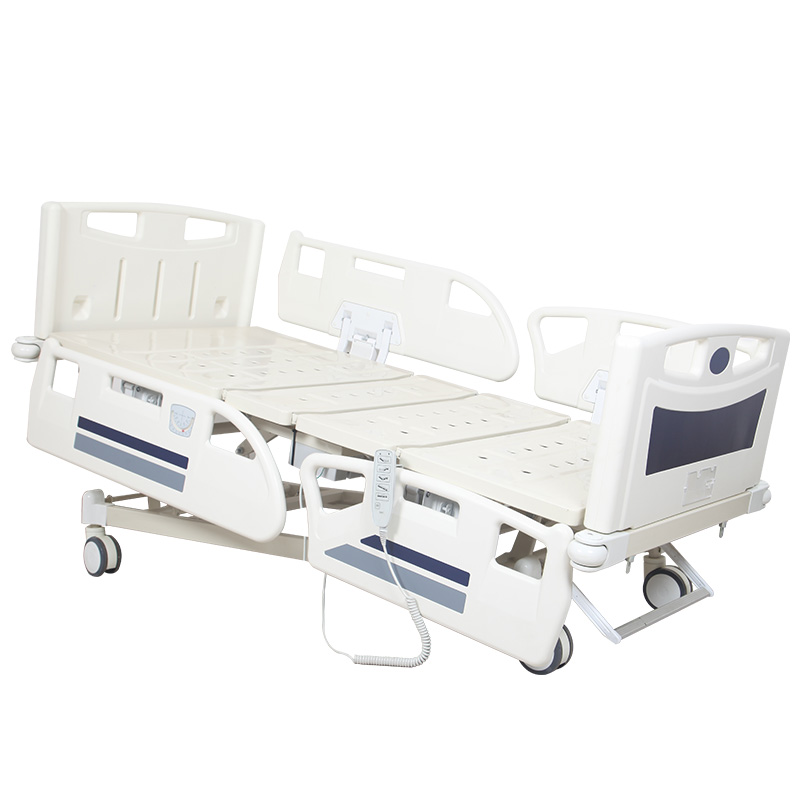
Battery backup is a small line on many electric care bed quotations, but it can become an important project detail after installation. Buyers usually compare backrest movement, leg section control, height adjustment, side rails, casters, and price first. That is natural. Still, when power is interrupted during cleaning, transfer, or patient repositioning, staff need to know exactly what the bed can still do.
For a distributor or hospital project buyer, the right question is not simply whether an electric hospital bed has a battery. The better question is how the battery works with the control box, motors, handset, charging system, and daily maintenance routine.
Clarify the Emergency Function
Ask the supplier which functions remain available during a power failure. Some beds support only emergency lowering, while others can operate several movements for a limited number of cycles. Both solutions can be acceptable if the buyer understands the difference before confirming the order.
A practical electric care bed factory should be able to explain the expected operation under normal load, how charging status is shown, and what staff should do when the battery is weak.
Match the Specification to the Facility
A small clinic with stable electricity may not need the same backup plan as a long-term care facility with frequent repositioning. Buyers serving different markets should also consider plug type, local voltage, maintenance skill, and spare part availability.
If the order includes many electric care beds, prepare a simple inspection routine. Staff should know which beds include backup power and how to check them before an outage happens.
Check the Electrical System as a Whole
The battery cannot be reviewed alone. It must match the control box, actuator system, handset, and cable layout. Poor cable routing can create service problems even when the main parts are good. Connectors should be firm, protected from cleaning impact, and easy enough for a technician to inspect.
For distributors, it is wise to keep a small stock of common electrical spare parts, including handsets, control boxes, and battery-related cables. Fast service response often matters more to the customer than a very small difference in initial purchase price.
Do Not Forget Storage and Transport
If beds stay in a warehouse before delivery, the battery condition should be checked. Ask how long it can be stored, whether it needs periodic charging, and how replacement is handled. For export orders, confirm packing and labeling so the shipment can move smoothly.
When the bed is supplied with care bed accessories or an air mattress, keep the electrical notes in the same project file. The buyer's installation team will appreciate having one clear reference instead of scattered instructions.
Final Advice
Battery backup is not a decoration. It is part of the safety and service plan for an electric care bed project. Confirm the emergency function, charging method, storage rule, spare parts, and user training before placing a bulk order.
If you are preparing a ward project or distributor stock order, send your model requirements and service plan through the contact page. A careful battery discussion at the quotation stage can prevent many avoidable service calls later.