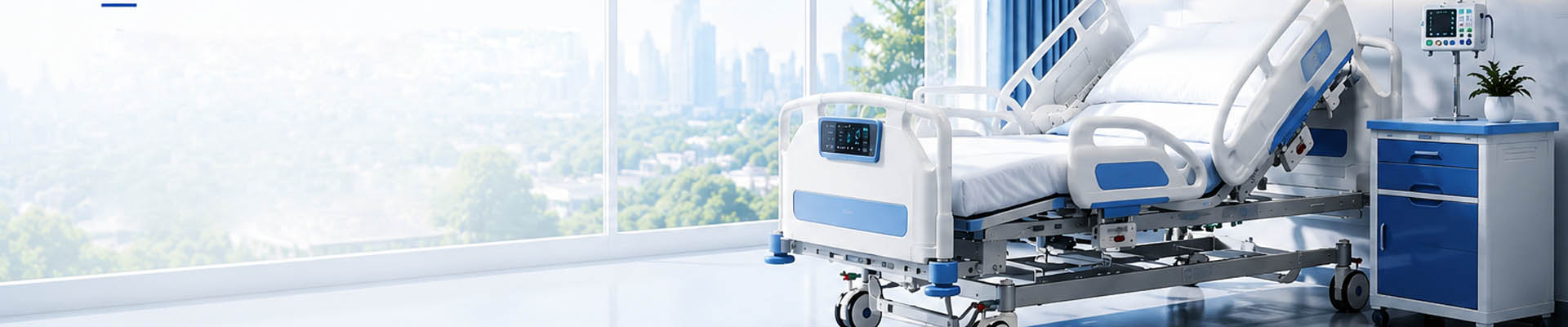

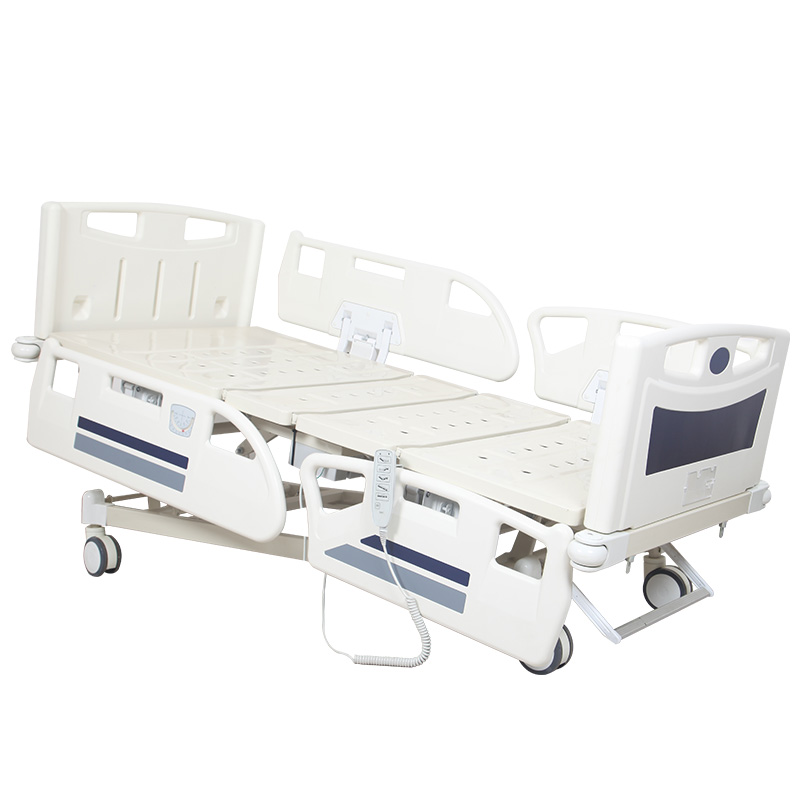
Electric hospital beds are designed to improve patient comfort and caregiver efficiency through powered adjustment functions. Because these beds operate frequently in hospitals, nursing homes, and rehabilitation facilities, regular maintenance is essential for safe and reliable performance. A preventive maintenance plan can help reduce unexpected failures, extend service life, and improve the overall value of medical equipment. The electrical system is one of the most important parts of an electric hospital bed. Regular inspection helps identify potential issues before they affect daily care operations. Motors, hand controllers, and control systems should be checked regularly to ensure smooth operation of height adjustment, backrest, and leg functions. Power cables and electrical connections should remain secure and protected from damage during daily use. Explore our professional Electric Hospital Bed solutions for hospitals, rehabilitation centers, and long-term care facilities. Although electric beds use powered systems, mechanical structures also require regular attention to maintain stable performance. Adjustment mechanisms, hinges, and support structures should be inspected to ensure smooth movement. Reliable mobility and braking systems are important for caregiver safety and efficient patient care. Healthcare facilities should establish routine inspection schedules based on usage frequency and operating conditions. Staff can quickly check basic functions, unusual sounds, visible damage, and control operation during daily use. More detailed inspections should be performed regularly to evaluate electrical systems, mechanical parts, and safety features. Electric hospital beds are used in healthcare environments where hygiene is essential. Correct cleaning methods help protect both users and equipment. Cleaning procedures should prevent excessive moisture from affecting motors, controllers, and electrical components. Suitable cleaning products help maintain coatings, plastics, and other materials over long-term use. Many equipment problems are caused by improper operation rather than product defects. Caregivers should understand how to operate adjustment functions correctly and avoid unnecessary stress on components. Early reporting of unusual operation can prevent small issues from becoming larger failures. The reliability of an electric hospital bed depends on both product quality and daily management. Choosing a professional manufacturer and following proper maintenance procedures helps healthcare facilities achieve better long-term performance. Learn more about our manufacturing capabilities through our Factory page or Contact Us for electric hospital bed solutions.Proper Maintenance Helps Electric Hospital Beds Perform Reliably
Inspect Electric Components Regularly
Check Motors and Control Systems
Inspect Cables and Connections
Maintain Mechanical Components
Check Moving Parts
Maintain Caster and Brake Performance
Preventive Maintenance Improves Equipment Lifespan
Create Regular Inspection Procedures
Daily Checks
Periodic Professional Inspection
Proper Cleaning Protects Equipment
Avoid Electrical Damage
Protect Surface Materials
Train Staff for Correct Operation
Understand Bed Functions
Report Problems Early
Common Maintenance Mistakes
Quick Maintenance Checklist
Expert Tip