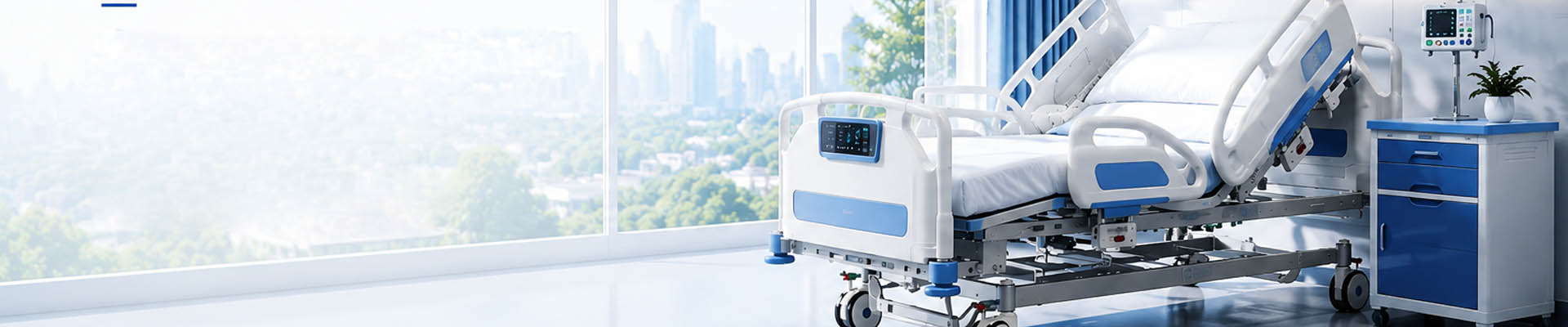



When purchasing hospital beds, healthcare facilities often need to decide between electric hospital beds and manual hospital beds. Both types of beds have their own advantages. The best choice depends on patient requirements, caregiver workflow, facility type, budget, and long-term operating goals. Understanding the differences helps buyers select the right solution instead of choosing only based on initial price. An electric hospital bed uses motorized systems to adjust different positions through a hand controller or control panel. The biggest advantage of an electric hospital bed is that patients and caregivers can adjust the bed position with less physical effort. Explore our Electric Hospital Bed solutions for hospitals, clinics, and healthcare facilities. A manual hospital bed uses mechanical systems operated by hand cranks or manual adjustment mechanisms. Manual hospital beds are usually simpler in structure and can provide a practical solution for facilities with basic care requirements. Electric adjustment allows patients to change positions more easily, improving comfort during daily activities. Manual beds can also provide positioning functions, but adjustments require physical operation by caregivers. Caregiver workload is an important factor in hospitals, nursing homes, and long-term care facilities. Caregivers can quickly adjust bed positions using electric controls. Manual adjustment may require caregivers to operate mechanical handles repeatedly. Manual beds generally have a lower purchase cost because they use simpler mechanical structures. Electric beds usually require a higher initial investment because they include motors, controllers, and electrical systems. Manual beds have fewer electrical components, which can make maintenance relatively simple. Electric beds require attention to motors, controllers, and electrical systems. Many hospitals choose electric hospital beds for departments requiring frequent patient positioning and caregiver support. Electric beds can improve comfort and support long-term elderly care operations. Electric beds are useful for families caring for elderly relatives or patients requiring long-term assistance. Manual beds may still be suitable for facilities with simple requirements and limited budgets. A reliable hospital bed manufacturer should help buyers choose the right configuration according to actual applications. The most expensive option is not always the best option. The correct solution is the one that provides the right balance between function, cost, safety, and long-term value. Learn more about our production capability through our Factory page. Before purchasing hospital beds, evaluate the complete operating environment. Consider patient needs, caregiver efficiency, maintenance requirements, and future development plans instead of comparing prices only. If you need help selecting electric hospital beds for your healthcare project, Contact Us to discuss your requirements.Why Hospitals Need to Compare Electric and Manual Hospital Beds
What Is an Electric Hospital Bed?
Common Electric Functions Include:
Main Advantage
What Is a Manual Hospital Bed?
Common Manual Functions Include:
Main Advantage
1. Difference in Patient Comfort
Electric Hospital Beds
Useful Situations Include:
Manual Hospital Beds
2. Difference in Caregiver Efficiency
Electric Beds Reduce Manual Adjustment Work
Benefits Include:
Manual Beds Require More Physical Operation
3. Difference in Initial Investment Cost
Manual Hospital Beds
Electric Hospital Beds
However, Buyers Should Consider:
4. Difference in Maintenance Requirements
Manual Hospital Beds
Electric Hospital Beds
Professional Maintenance Includes:
5. Difference in Application Areas
Hospitals
Nursing Homes
Home Care
Basic Healthcare Facilities
How to Choose Between Electric and Manual Hospital Beds
Choose Electric Hospital Beds When:
Choose Manual Hospital Beds When:
Common Mistakes When Selecting Hospital Beds
Electric vs Manual Hospital Bed Comparison Checklist
Why Professional Supplier Advice Matters
Expert Tip