

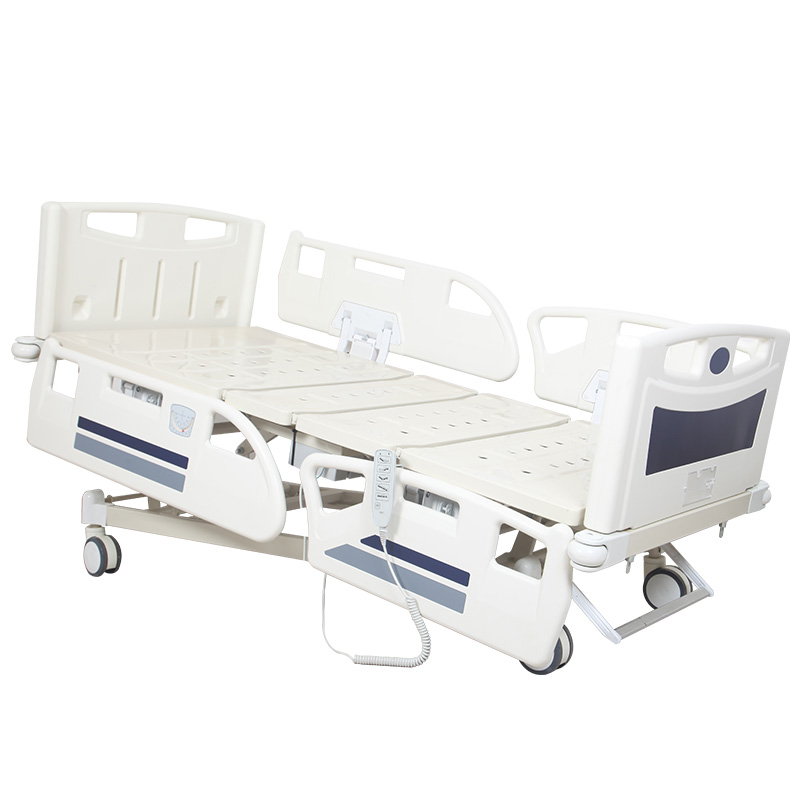
An electric ICU bed combines mechanical structures, powered actuators, controls, moving platform sections, side rails, casters and braking components into one frequently used piece of medical equipment. For hospitals and equipment managers, maintenance should therefore not focus on only one component. A bed may still move electrically while a caster is damaged, a cable is being pinched, a side rail is not operating correctly or a mechanical connection has become loose. A more useful maintenance approach is: Visual Inspection → Mechanical Check → Electrical Check → Function Test → Mobility and Brake Check → Accessory Check → Cleaning Review → Maintenance Record. When purchasing or managing an electric ICU bed, hospitals should also understand which checks can be performed routinely by trained facility personnel and which service procedures should follow the manufacturer's instructions. An electric ICU bed is not simply a bed frame with several motors attached. Its operation depends on several systems working together, including: A maintenance program should therefore evaluate the complete bed rather than waiting for one major function to stop working. Before establishing a maintenance procedure, identify the exact bed model and configuration. Two electric ICU beds may look similar but use different: A general checklist can help organize inspections, but model-specific servicing should follow the manufacturer's documentation and facility procedures. Facilities may record information such as: Before operating the bed, inspect the overall condition. Look for obvious signs of: Look at accessible areas of the frame for visible damage or deformation. Pay particular attention to areas around moving structures and component mounting points. Where welds are visible, look for unusual changes or obvious damage. Do not perform structural modifications unless they are authorized under the applicable maintenance procedure. Repeated bed movement can place mechanical components through many operating cycles. Accessible fasteners should be checked according to the manufacturer's maintenance instructions. Some assemblies may require specified procedures or torque requirements. Follow the relevant service information rather than assuming tighter is always better. Check the platform sections for: Observe whether the movement is smooth and consistent. Listen for unusual sounds and watch for abnormal hesitation. Perform the same general check for the lower platform adjustment. If the ICU bed provides powered height adjustment, operate it through the intended range according to normal procedures. Unexpected movement, unusual noise or visible instability should be investigated according to the manufacturer's instructions. If these functions are included in the model, confirm that the bed performs the intended whole-bed positioning correctly. Test only the functions included in the approved configuration. If the bed includes a chair-position function or preset, verify its operation according to the model documentation. If the bed also allows independent backrest, leg and height adjustment, these functions should be evaluated separately. A change from the bed's normal operating sound can provide useful maintenance information. Noise alone does not identify the cause, but it can indicate that further inspection is needed. Several mechanical or electrical conditions can create similar noises. Use the manufacturer's troubleshooting process where required. Electric actuators create the powered movement of the bed. During routine inspection, look for visible: An actuator does not work independently from the bed structure. Its mounting points and mechanical connections are also part of the movement system. Internal actuator servicing should follow the manufacturer's service instructions. A bed with four actuators does not simply require “checking four motors.” The complete movement system includes mechanical connections, cables, controls and structural mounting. Look for: A cable may appear normal while the bed is flat but become stretched or trapped when the bed changes position. This can help identify routing problems that are not visible in only one position. Cables should follow the manufacturer's intended routing and securing method. Check accessible portions for visible damage to: Follow the facility's equipment safety procedure and manufacturer instructions for damaged electrical components. Look for visible damage or deformation. Voltage, frequency and plug requirements should match the approved bed configuration and destination electrical system. Look for visible housing damage, loose mounting or connector problems. Internal electrical servicing should be performed only according to authorized procedures. Where accessible under the manufacturer's instructions, confirm that connectors are properly seated and show no obvious damage. Similar-looking connectors are not necessarily interchangeable. The handset is one of the most frequently used electric bed components. Check for: Do not test only the backrest button. Confirm each intended function of the handset. The function activated should correspond to the control label and approved configuration. If the ICU bed includes integrated side rail controls, test the appropriate functions according to the manufacturer instructions. Check the buttons, indicators and required control functions. If the bed has function lockout, verify that the intended controls can be restricted and restored according to the model design. Lockout controls access to selected functions. Emergency stop serves a different control purpose. Follow the manufacturer's specified procedure for the exact bed model. The behavior can depend on the control architecture. Use the model-specific instructions. If the ICU bed includes an electric or mechanical CPR-related function, inspect and test it according to the manufacturer's procedure. Do not treat one successful test as confirmation of the other. Some electric hospital beds provide an alternative method for certain movements when normal powered operation is unavailable. Verify the exact system for the model. Configurations differ. Confirm the actual system before adding it to the maintenance checklist. If the bed includes backup power, the battery should be included in the maintenance program. A battery can be installed but no longer provide its expected performance. Battery technology and control systems vary between models. Maintenance history can help facilities track battery age and previous service actions. Use components compatible with the specified electrical system. Side rails are frequently operated mechanical components. Check: Confirm that it moves through its intended operating sequence. Do not rely only on appearance. Operate the locking mechanism according to the manufacturer's instructions. Unusual movement can indicate the need for further inspection. The rail mechanism and its connection to the bed should be considered together. Changes can affect the intended product configuration. Check whether detachable panels are correctly seated and secured according to the product design. Look for cracks, deformation or other changes that may require attention. Hospital bed casters experience frequent rolling, turning and braking. Check each caster for: A stationary visual check may not reveal caster problems. Unusual noise during movement may justify closer inspection. Accumulated material can interfere with normal movement. Cleaning should follow the facility and manufacturer procedures. Brake inspection is an essential part of electric ICU bed maintenance. Confirm that the intended brake mechanisms engage and release correctly. Operate the central brake according to the product design and verify the expected caster response. The important result is whether the intended casters respond correctly. If the bed includes a directional caster or steering function, inspect it separately from braking. A bed may use the same pedal system to control several caster modes, but each mode should be understood and tested correctly. Pedals are exposed to repeated use and should be included in the visual inspection. Follow the manufacturer's normal operating procedure when verifying the brake system. Adjustable bed sections depend on joints and linkages. Look for visible wear, looseness or abnormal movement. Do not apply lubricant indiscriminately to every moving part. Use only the specified maintenance method and suitable materials where lubrication is required. During movement, observe whether components contact areas they should not. Make sure surrounding equipment does not interfere with normal movement during inspection. If the bed uses mattress stops or retainers, inspect their condition and attachment. The mattress should fit the intended platform dimensions and articulation. The bed frame may be functioning correctly while the mattress requires separate attention. Follow the mattress manufacturer's instructions for inspection, cleaning and replacement criteria. Accessories attached to the bed should also be included in the inspection where applicable. Check its mounting, adjustment mechanism and visible condition according to its intended design. If the bed provides multiple mounting holes, inspect the sockets used in normal operation. Only include accessories approved for the specific bed configuration. Cleaning and technical maintenance are different processes, but equipment condition should be reviewed together with the facility's cleaning procedures. Follow manufacturer instructions for surfaces, plastics, controls and electrical components. Cleaning methods should respect the product's electrical design and manufacturer instructions. If the bed has a stated IP rating, interpret that rating according to the applicable product documentation rather than assuming the bed can be washed by any method. Check that controls, cables and other components remain in normal condition before the bed returns to service. A checklist helps prevent important systems from being forgotten. Possible sections include: A generic checklist organizes the process. It does not replace the manufacturer's maintenance manual. Instead of simply marking “maintenance completed,” record meaningful findings. For example, identify: An inspection identifies a condition. A repair corrects an identified problem according to the appropriate procedure. Follow the hospital's equipment-management procedure for removing, evaluating and returning equipment to service. When a component is replaced, record the relevant part and service action. Do not select a replacement only because it looks physically similar. Compatibility should be confirmed for the exact bed system. Long-term records can help identify repeated problems and support future maintenance planning. There is no single inspection interval that should be applied blindly to every electric ICU bed. The appropriate schedule can depend on: A statement such as “every ICU bed must be serviced every six months” should not be used unless it is supported by the applicable manufacturer or facility requirement. Equipment experiencing frequent adjustment, transport and braking can accumulate wear differently from lightly used equipment. Facilities can combine manufacturer guidance with their own equipment-management procedures and operating experience. A complete routine check may include the frame, platform, actuators, cables, controls, power system, backup battery where provided, side rails, casters, brakes, accessories and all approved bed functions. The actuator system should be included in the maintenance program, but internal servicing should follow the manufacturer's instructions. Routine inspection can focus on visible condition, mounting, cables and normal operation. Not as a general routine step. Internal electrical work should follow authorized service procedures for the specific bed. Inspect accessible cables for visible damage, pinching, crushing, excessive tension and improper routing, including while the bed moves through relevant positions. If a backup battery is part of the bed configuration, it should be included in the maintenance program according to the manufacturer's specified procedure. Yes. Frequently operated rail mechanisms should be inspected for condition, mounting, movement, locking and release operation. Yes. Electrical operation is only one part of an ICU bed. Mobility and braking systems should also be checked. Maintenance planning should begin before the beds arrive. Hospital buyers and distributors can request: For a large hospital project, understanding maintenance requirements before purchase can help biomedical and procurement teams evaluate the long-term practicality of the bed. If several electric bed models are being purchased, component commonality may simplify future maintenance. However, compatibility should always be confirmed by the manufacturer. Depending on the bed design, frequently used components can include: First identify the exact bed models and compatible component numbers where available. Two electric ICU beds with similar functions can differ in: These factors can matter over the working life of the equipment. Electric ICU bed maintenance should not begin only after a motor stops moving. A better approach is to inspect the bed as a complete system: Frame → Platform → Actuators → Cables → Control Box → Handset and Controls → Safety Functions → Battery → Side Rails → Casters → Brakes → Accessories → Functional Test → Maintenance Record. Routine inspection can help facilities identify visible wear, abnormal operation and damaged components before they develop into larger equipment-management problems. At the same time, a general maintenance checklist should never replace the manufacturer's model-specific instructions. Electrical repairs, internal component servicing and replacement procedures should follow the applicable technical documentation and qualified maintenance process. Hebei Heyuan Medical Equipment Co., Ltd. manufactures electric hospital beds and ICU bed configurations for hospitals, distributors and healthcare projects, with different actuator, control, side rail and braking configurations available according to project requirements. If you are sourcing electric hospital beds or ICU beds and need technical specifications, configuration information or maintenance-related documentation, please contact us with your required model, functions and purchasing quantity.Electric ICU Bed Maintenance: What Should Hospitals Check?
Why Does Electric ICU Bed Maintenance Need a Systematic Approach?
1. Start With the Exact ICU Bed Model
2. Do Not Use One Generic Maintenance Procedure for Every Electric Bed
3. Record the Bed Identification
4. Begin With a Visual Inspection
5. Inspect the Main Bed Frame
6. Inspect Welded Areas Visually
7. Check for Loose Fasteners
8. Do Not Tighten Components Randomly
9. Inspect the Mattress Platform
10. Operate the Backrest Through Its Normal Range
11. Operate the Leg or Knee Section
12. Test Height Adjustment
13. Observe Whether the Bed Remains Stable During Height Movement
14. Test Trendelenburg and Reverse Trendelenburg Where Provided
15. Do Not Assume Every ICU Bed Has the Same Positioning Functions
16. Test Chair Position Where Provided
17. A Preset Position Should Not Replace Testing the Individual Movements
18. Listen for Changes in Operating Noise
19. Do Not Diagnose a Fault From Sound Alone
20. Inspect the Electric Actuators
21. Check Actuator Mounting Points
22. Do Not Open an Actuator Without an Authorized Procedure
23. Motor Count Is Not a Maintenance Checklist
24. Inspect Actuator Cables
25. Check Cable Routing During Bed Movement
26. Test the Bed Through Relevant Positions While Observing Cables
27. Do Not Route Cables Through Moving Joints
28. Inspect the Main Power Cable
29. Do Not Continue Normal Use With an Obviously Damaged Power Cable
30. Inspect the Plug
31. Check That the Electrical Configuration Matches the Intended Supply
32. Inspect the Control Box Externally
33. Do Not Open the Control Box During Routine User-Level Inspection
34. Check Electrical Connectors
35. Do Not Force a Connector Into the Wrong Port
36. Inspect the Handset
37. Test Every Required Handset Function
38. Compare Button Commands With Actual Bed Movement
39. Inspect Side Rail Controls Where Provided
40. Inspect the Nurse Control Panel Where Provided
41. Test Function Lockout Where Provided
42. Function Lockout Is Not the Same as Emergency Stop
43. Test the Emergency Stop Function Where Provided
44. Do Not Invent an Emergency Stop Test Procedure
45. Test CPR Functions Where Provided
46. CPR and Emergency Lowering Are Different Functions
47. Check Emergency Lowering or Manual Release Where Provided
48. Do Not Assume Every Bed Has Manual Emergency Lowering
49. Inspect the Backup Battery Where Provided
50. Battery Presence Does Not Confirm Battery Condition
51. Follow the Manufacturer's Battery Check Procedure
52. Record Battery Replacement Where Applicable
53. Do Not Substitute an Unapproved Battery
54. Inspect the Side Rails
55. Raise and Lower Each Side Rail
56. Confirm the Rail Locks as Intended
57. Check for Excessive Looseness
58. Inspect Rail Mounting Points
59. Do Not Modify Rail Mechanisms Without Authorization
60. Inspect the Headboard and Footboard
61. Check for Visible Damage to Plastic Components
62. Inspect the Casters
63. Roll the Bed During the Inspection
64. Listen for Abnormal Caster Noise
65. Check for Debris Around the Casters
66. Test the Brake System
67. For Individual Brakes, Check the Relevant Casters
68. For Central Braking, Test the System as a Complete Mechanism
69. Do Not Assume the Brake Works Because the Pedal Moves
70. Test Directional Control Where Provided
71. Braking and Steering Are Different Functions
72. Inspect Brake Pedals for Visible Damage
73. Check Bed Stability After Braking
74. Inspect Mechanical Pivot Points
75. Lubrication Should Follow Manufacturer Instructions
76. More Lubrication Is Not Automatically Better
77. Check for Mechanical Interference
78. Test the Bed Without Obstructions
79. Check the Mattress Retainers
80. Check Mattress Compatibility
81. Mattress Condition Is a Separate Maintenance Item
82. Inspect Mattress Cover Condition
83. Check Accessories
84. Inspect the IV Pole
85. Check IV Pole Sockets
86. Inspect Other Bed-Mounted Accessories
87. Do Not Ignore Cleaning During Maintenance Planning
88. Use Cleaning Products Compatible With the Bed Materials
89. Do Not Direct Liquid Into Electrical Components
90. IP Rating Does Not Mean Unlimited Water Exposure
91. Inspect After Cleaning Where Appropriate
92. Create a Repeatable Maintenance Checklist
93. Do Not Use a Checklist Without Model-Specific Instructions
94. Record Inspection Results
95. Record Defects Clearly
96. Separate Inspection From Repair
97. Do Not Keep a Bed in Normal Service When a Significant Fault Requires Evaluation
98. Record Replacement Parts
99. Use Compatible Replacement Components
100. Keep Maintenance History With the Bed Asset Record
How Often Should an Electric ICU Bed Be Inspected?
Do Not Invent a Universal Maintenance Interval
High-Use Beds May Need Closer Attention
Maintenance Frequency Can Be Risk-Based
What Should Be Checked on an Electric ICU Bed?
Should Hospital Bed Motors Be Maintained?
Should the Control Box Be Opened During Routine Maintenance?
How Should ICU Bed Cables Be Checked?
Should the Backup Battery Be Tested?
Are Side Rails Part of ICU Bed Maintenance?
Are Casters and Brakes Part of Electric Bed Maintenance?
Electric ICU Bed Maintenance Checklist
What Information Should Buyers Request From an Electric ICU Bed Supplier?
Ask About Maintenance Before Placing a Large Order
Ask Which Parts Are Common Across Models
Ask About Common Replacement Components
Do Not Purchase Random Spare Parts Without a Model List
Maintenance Should Be Considered During Supplier Comparison
Final Advice for Electric ICU Bed Maintenance