

Battery backup can be a useful option on electric care beds, but buyers often focus only on whether the battery exists. The harder question is what happens when the battery needs inspection or replacement. If the battery is difficult to reach, poorly labeled, or not recorded as a spare part, after-sales work becomes slow. For a electric care bed importer, this is not a paperwork detail; it is a way to protect the first day of use. The best time to confirm battery code, connector type, bracket position, and service access is before the order leaves the factory, because once the goods arrive the local service technician is already working under time pressure. A small missing mark can delay sorting, confuse spare parts, and create avoidable messages between the site, the warehouse, and the supplier.
Access Matters More Than A Clean Photo
Buyer note
Practical note
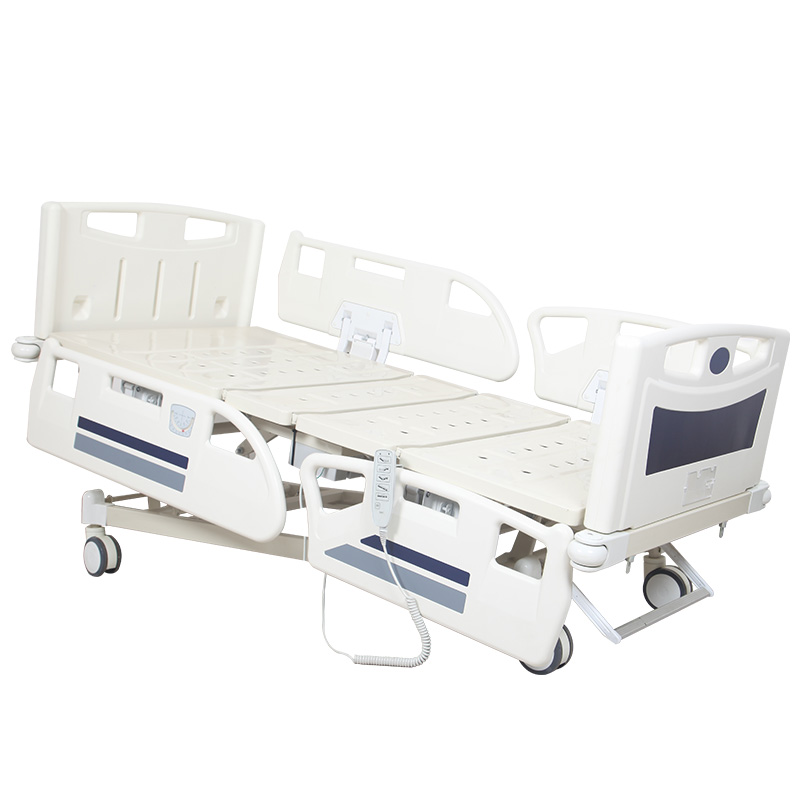
A neat underside photo can hide a service problem. Ask how a technician reaches the battery, how it is fixed, and whether replacement requires removing other parts. In a real electric hospital bed order, several people may touch the same product before the end user sees it. Purchasing checks the document, warehouse staff move the goods, installers open the cartons, and the local service technician answers the first questions. If the information is only clear to one person, the system is still weak. Good product preparation means the next person in the chain can understand the situation without asking for a private explanation.
Practical note
For a related reference, review the electric hospital bed battery option when comparing specifications, service needs, and purchasing details. I would treat this as part of supplier evaluation, not as an optional nice detail. Ask for photos, a sample document, or a short video when the point is difficult to judge from a catalogue. Serious suppliers usually do not mind this kind of question, because it shows the buyer is thinking about actual operation. The conversation also reveals whether the supplier understands export projects or is only repeating standard product descriptions.
Practical note
The best position balances protection and access. A battery should not sit in the way of cleaning or movement, but it should not be buried so deeply that service becomes frustrating. The practical problem is usually not dramatic. It is a slow hour in the after-sales service call, a technician searching for the right clue, or a distributor trying to explain an issue to a customer with incomplete information. These are the moments that decide whether a buyer feels the supplier is organized. A strong quotation should therefore cover not only price and model, but also the small details that keep the product manageable after delivery.
Field detail
Practical note
During sample review, ask the supplier to demonstrate battery removal or at least show the fixing method clearly. One useful habit is to compare the supplier's answer with the way your own team works. If your warehouse uses local item codes, ask whether those codes can appear in the file or label. If your technicians identify products by project name, make that reference visible. The goal is not to make the factory system complicated. The goal is to connect the factory system with the buyer's daily routine so fewer people have to guess.
Labels And Part Codes Prevent Guessing
For a related reference, review the electric nursing bed service access when comparing specifications, service needs, and purchasing details. This is also where long-term SEO and long-term procurement thinking meet. Buyers search for product terms, but they stay on a page when it answers the small questions they actually face. A page about electric care bed battery system should not only say the product is strong or reliable. It should explain what to check, why the check matters, and how a careful buyer can avoid a simple battery replacement becomes a slow technical visit. That kind of content is useful beyond one quotation.
Buyer note
Practical note
Battery model, voltage, connector type, and replacement code should be recorded in the product file. Dealers should not guess from photos after a customer calls. For repeat orders, the value becomes even clearer. The first shipment teaches the buyer what information is missing, but a good supplier records the lesson and improves the next shipment. A distributor should not solve the same small confusion every month. Keep a simple note in the order file: what was checked, what was changed, and what should remain standard for the next electric hospital bed order. This is how small experience becomes a stable purchasing rule.
Practical note
Practical note
If several electric bed models use different batteries, make the difference obvious in the spare part sheet. There is no need to turn this into a heavy inspection report. A short checklist is enough if it is used consistently. I normally prefer five or six clear points rather than a long document nobody reads. For electric care bed battery system, the checklist should focus on visible, testable items: what the buyer can see, touch, record, and explain to another person. Vague words like premium or convenient do not help much when the product is already on site.
Field detail
For a related reference, review the standing bed backup power layout when comparing specifications, service needs, and purchasing details. The buyer should also think about language. Many export orders involve warehouse workers, installers, nurses, caregivers, or maintenance people whose first language may not match the supplier's internal documents. Simple English labels and plain descriptions reduce friction. If a phrase is easy for the sales manager but confusing for the receiving team, rewrite it. Good wording is not decoration; it is part of the product's usability in an international B2B order.
Practical note
A replacement battery shipped to the wrong market or wrong model creates delays and weakens dealer confidence. When comparing suppliers, ask the same question to each one and watch the quality of the answer. A weak supplier may reply with a catalogue photo or a sentence that does not address the actual issue. A stronger supplier will mention the product model, the relevant part, the installation step, or the after-sales consequence. That difference tells you something important about how the supplier will behave when the order becomes complicated.
Train Service Teams Before The First Issue
Buyer note
Practical note
Battery-related questions should be covered in dealer training. Staff should know normal charging behavior, service limits, and when to contact technical support. The common mistake is waiting until a complaint appears. By then, the cost is already higher because the buyer has to investigate, explain, and sometimes send replacement parts. In many cases, the issue could have been prevented by clearer preparation before shipment. For electric care bed battery system, prevention is usually cheaper than correction. It also protects the buyer's reputation with hospitals, care homes, dealers, and project contractors who expect a professional handover.
For a related reference, review the battery bracket accessory parts when comparing specifications, service needs, and purchasing details. Do not let the lowest price remove these checks from the discussion. A small saving on the purchase order can disappear quickly if the local service technician spends extra time solving avoidable confusion. This does not mean choosing the most expensive product. It means asking whether the supplier has enough process control to support the buyer after the invoice is paid. In B2B medical furniture, that support is part of the real product cost.
Practical note
Practical note
Avoid dramatic promises. Explain the actual backup function, the correct care routine, and replacement path. A practical buyer can make this simple: request one confirmed example before mass production, keep it with the purchase file, and use it again during pre-shipment checking. If the example includes battery code, connector type, bracket position, and service access, the receiving team has a reference. If the final goods do not match the approved example, the problem is easier to identify. This creates a clean line between the sales promise, the production result, and the warehouse reality.
Field detail
Practical note
A short visual guide is often enough: battery position, connector, label, and basic caution points. The site manager or dealer should also be encouraged to give feedback after installation. Sometimes the factory believes a detail is clear, while the local team sees a better way to organize it. A useful supplier listens to that feedback and adjusts the next batch. Over time, this kind of practical improvement makes the product easier to sell because the buyer is not only buying a bed; they are buying a smoother working process.
For a related reference, review the electric bed service contact when comparing specifications, service needs, and purchasing details. For buyers managing several facilities or dealer branches, standardization is important. If every shipment uses a different habit, training becomes harder and mistakes become more likely. A consistent approach to electric care bed battery system helps new staff learn faster. It also makes replacement orders and service discussions easier because everybody uses the same reference points. Consistency is not boring here; it is what makes a growing distribution network easier to control.
Procurement Habit
Field detail
Ask for battery position photos, replacement code, connector detail, and service notes before confirming a bulk order. My advice is to discuss this before the final proforma invoice, when changes are still easy. Put the requirement in writing, confirm it with the supplier, and keep the confirmed version with the order documents. If the supplier says it cannot be done, ask why and decide whether the reason is acceptable. A buyer does not need to micromanage production, but they should protect the details that affect daily use in the after-sales service call.
Final Advice
Field detail
Backup power is useful only when it can be maintained. Battery access should be part of the buying decision, not an after-sales surprise. The final check is whether a new person could understand the product situation without a long phone call. If the answer is yes, the preparation is probably good. If the answer is no, the buyer should improve the document, label, training note, or service reference before shipment. That test is simple, but it catches many weak points in electric care bed battery system. It is the kind of practical discipline that separates a smooth project from a stressful one.
Buyer Takeaway
Before The Next Order
For an electric care bed buyer, the final decision should include a small service scenario, not only a product photo. Imagine the bed has worked for two years and a local technician needs to check backup power. Can that person find the battery, confirm the replacement code, remove the bracket safely, and install the new part without guessing? If the answer is unclear, the buyer should ask for better documentation before the first bulk order. This is especially useful for dealers selling to hospitals, nursing homes, and home care channels at the same time, because service questions do not arrive in a neat order. A battery option can be a selling point, but it can also become a complaint if the replacement path is vague. The supplier should make the battery location, connector type, and spare part reference easy to confirm. That is practical engineering, and it protects both the buyer and the end user.