

The handset on an electric care bed is one of the parts people touch most often, yet its holder is often treated as a minor accessory. In daily use, the holder decides whether the handset is easy to find, protected from falling, and kept away from moving parts. A good motor system can still feel inconvenient if the handset is always hanging in the wrong place. In procurement work, the small point is rarely small after the container arrives. It affects receiving, installation, staff training, service calls, and the buyer's reputation with the end customer. That is why I prefer to raise these details before the price is the only topic left on the table.
The Handset Is A Daily Touch Point
Small Part, Constant Use
What to look at
The handset on an electric care bed is one of the parts people touch most often, yet its holder is often treated as a minor accessory. In daily use, the holder decides whether the handset is easy to find, protected from falling, and kept away from moving parts. A good motor system can still feel inconvenient if the handset is always hanging in the wrong place.
For buyers, this is a simple but useful sample check. Ask where the handset rests when the bed is flat, when the backrest is raised, and when the caregiver is working from the side. The right answer depends on the user group. A hospital may prefer one routine, while a long-term care room may prefer another. The holder should support the routine, not fight it.
In procurement work, the small point is rarely small after the container arrives. It affects receiving, installation, staff training, service calls, and the buyer's reputation with the end customer. That is why I prefer to raise these details before the price is the only topic left on the table.
The Holder Should Match The Bed Design
What to look at
A universal plastic hook may work on some beds and fail on others. Rail shape, headboard style, side panel thickness, and cable length all affect placement. If the holder slides, twists, or interferes with the rail, the user will stop using it. Then the handset drops to the mattress, falls behind the bed, or is tied to the frame in a way nobody planned.
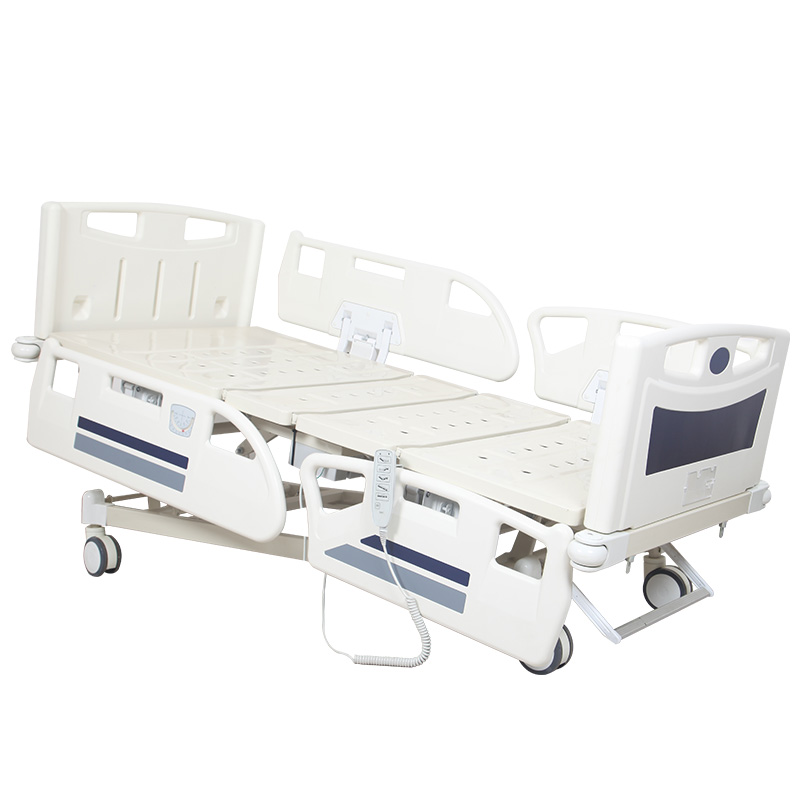
When reviewing an electric hospital bed handset holder layout, I like to see the holder installed on the real bed, not shown separately in a parts bag. The photo should show both the holder and the cable path. This tells the buyer whether the design has been tested as a complete product or only assembled from available parts.
If the first order teaches a lesson, record it and make the next order better. Repeating the same small problem is more expensive than taking a few minutes to update a checklist. Good B2B product work is built from that steady improvement.
Cable Tension Is The Hidden Issue
What to look at
The handset holder and cable length must be considered together. If the holder sits too far from the control box, the cable may remain under light tension. Over time, that can strain the connector or encourage staff to pull the handset instead of moving closer. If the cable is too long and unmanaged, it can touch the floor or become caught around moving sections.
A useful check is to move the bed through normal positions while the handset is stored in the holder. Watch the cable, not only the handset. It should not stretch, pinch, drag, or cross a busy walking path. For electric care bed buyers, this is one of those small service details that reduces avoidable after-sales questions.
If the first order teaches a lesson, record it and make the next order better. Repeating the same small problem is more expensive than taking a few minutes to update a checklist. Good B2B product work is built from that steady improvement.
How To Review Holder Placement Before Bulk Orders
Ask Who Controls The Bed Most Often
What to look at
Some electric care beds are mainly adjusted by caregivers. Others may be adjusted by the patient, family member, or nursing staff. The holder position should follow the main user. If the handset is meant for caregiver control, a position near the outside rail may be sensible. If the user operates it independently, the placement may need to be reachable from the mattress side.
The buyer should avoid assuming one placement fits every channel. A dealer selling to clinics, nursing homes, and home care customers may need different holder recommendations. That does not always mean changing the bed. Sometimes it means offering a second mounting position or explaining the preferred setup clearly in the delivery note for an electric nursing bed handset access application.
The check does not need to slow the order. It can be handled with a short photo set, a sample video, and one written confirmation in the order file. What matters is that the detail is visible to both sides before production and packing are finished.
Check Holder Strength And Repeat Use
What to look at
A handset holder does not need to look heavy, but it must survive repeated use. Staff may remove and replace the handset many times per day. If the holder edge is too weak, the clip too loose, or the mounting point too flexible, the part will fail before the buyer expects it. This is not only an accessory issue; it affects the user's impression of the whole electric bed.
During sample review, ask someone to place and remove the handset repeatedly. Listen for cracking, feel whether the hook bends too easily, and check whether the handset sits securely. A simple test is enough. Buyers do not need a laboratory for every small part, but they do need to notice whether the holder feels like a planned component or an afterthought.
For distributors, this information also improves sales quality. The team can explain the product from experience instead of repeating broad catalogue language. That kind of explanation feels more trustworthy to hospitals, care facilities, contractors, and import buyers.
Avoid Blocking Other Functions
What to look at
The holder should not block side rail movement, dining table placement, patient transfer, or cleaning. On some beds, a holder position that looks convenient in a photo becomes awkward when accessories are installed. Buyers should review the holder with the likely accessory set, including IV pole, rail options, table, mattress system, and any protective covers used in the target market.
If the bed is also offered with a standing or transfer-related configuration, the holder should be checked during that movement as well. A standing bed handset position may require a different cable path or a more secure storage point. It is better to discover this during product review than after a customer reports interference.
The check does not need to slow the order. It can be handled with a short photo set, a sample video, and one written confirmation in the order file. What matters is that the detail is visible to both sides before production and packing are finished.
Make The Handset Easier To Support After Delivery
Name The Part Clearly
What to look at
Spare part lists should identify the handset holder with a clear name, picture, and code. If the holder breaks or is lost, the dealer should not send a photo and wait for the factory to guess. A small spare part can create a surprisingly long service conversation if nobody knows what it is called. Clear naming reduces friction.
This is especially important for buyers managing several electric bed models. If one model uses a clip holder and another uses a rail-mounted bracket, the spare part sheet should make the difference obvious. A well-prepared electric care bed accessory list protects the dealer from sending the wrong item to the customer.
If the first order teaches a lesson, record it and make the next order better. Repeating the same small problem is more expensive than taking a few minutes to update a checklist. Good B2B product work is built from that steady improvement.
Teach The Storage Habit
What to look at
A holder only works if users know where the handset belongs. During installation or handover, the staff should show the correct storage point and explain why the cable should not be wrapped around the rail. This takes less than a minute, but it prevents many messy cable habits. The best equipment setup is often the one people can remember easily.
For home care and small clinic buyers, a photo in the user note can be useful. Show the handset in the holder, the cable route, and the normal resting position. If the product is sold through distributors, provide that photo to the dealer so the message stays consistent. Consistency makes after-sales support easier.
A useful supplier will answer with photos, model references, and practical limits. A weak answer usually stays vague. Buyers should listen carefully to that difference because it shows how the supplier may respond when a real project question appears later.
Use Holder Quality As A Supplier Signal
What to look at
The handset holder is not the most expensive part of an electric care bed, but it tells the buyer something about the supplier's attention to detail. If the holder is loose, poorly positioned, or not documented, other small details may also need closer review. If it is cleanly mounted and easy to explain, the product team has probably spent time on daily use.
My advice is to include handset storage in the sample acceptance checklist. Ask for a real installed photo, a cable movement check, spare part code, and a short note for the user. Buyers with special room layouts can discuss those details through an electric care bed supplier contact request before confirming the order.
The check does not need to slow the order. It can be handled with a short photo set, a sample video, and one written confirmation in the order file. What matters is that the detail is visible to both sides before production and packing are finished.
Buyer Takeaway
Before The Next Order
The best purchasing habit is to turn this topic into one clear checkpoint before the next order. Ask for evidence, keep the approved detail in the project file, and make sure the receiving or installation team understands what has been agreed. This is how a supplier moves from selling a product to supporting a working B2B supply process.
For a repeat buyer, the checkpoint should also become part of supplier comparison. If two offers look similar in price and function, the supplier who can explain daily-use details more clearly often creates fewer problems after delivery. That practical difference may not appear in the first quotation, but it becomes visible when the product is installed, cleaned, adjusted, serviced, and reordered.
I would also keep one short note for the sales team and one for the service team. The sales note explains why the detail matters to the buyer. The service note explains what to check if a customer later raises a question. This keeps the same practical knowledge available before and after the order, instead of leaving it in one person's memory. It also makes future staff training faster and less dependent on verbal explanations during busy project handovers and deliveries.