

Emergency lowering is one of those electric care bed features that buyers may not think about until a power or control issue appears. The feature does not need to be complicated, but it must be understandable, reachable, and tested. For B2B buyers, emergency lowering should be discussed before shipment, not left as a vague statement in the manual.
Define what emergency lowering means
Different suppliers may use the term in different ways. Some mean a manual release. Some mean battery-supported lowering. Others mean a control-box function. When reviewing an electric hospital bed, ask exactly how emergency lowering works and under what conditions.
The answer should be written in practical language. If staff cannot understand the process quickly, the feature will not help much during a stressful situation.
Match the function to the care environment
A general clinic, nursing facility, and higher-dependency ward may need different levels of backup control. If the bed is used as a nursing bed, staff may need simple emergency operation because the same caregiver may handle many rooms.
Ask who is expected to use the function: nurse, technician, caregiver, or installer. The design and training should match that person.
Standing and transfer-related beds
If the product line includes standing or transfer support, compare the emergency function with the needs of a standing bed. A bed that supports more movement also needs clear instructions for returning to a safe position.
Do not assume that all electric functions share the same emergency logic. Ask which sections can be lowered and whether any function requires a separate step.
Mattress and accessory influence
If an air mattress is used, pump cables and bed cables should not block emergency access. Cable routing should remain clean enough for staff to identify what to do.
Remote holders, clips, and other accessories should support emergency operation rather than hide controls. These small parts should be checked during sample review.
Inspection and documentation
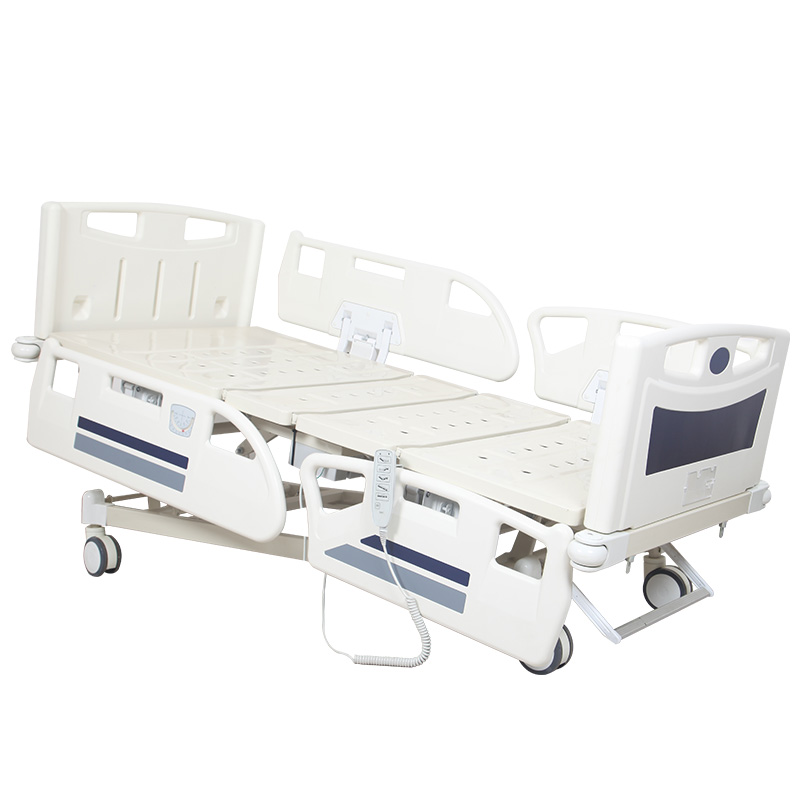
Before shipment, test the emergency lowering process on several beds. Record a short video and confirm that the instruction sheet matches the actual product. If battery backup is involved, confirm charging status and basic handling notes.
For distributor programs, include the emergency lowering process in local training material. It should be short, clear, and model-specific.
Final buying advice
Emergency lowering is a practical service and safety detail. Buyers should define the function, test it, document it, and train local teams before delivery. For electric care bed emergency function requirements, send the expected use scenario through the contact page.
Sample approval notes
Before mass production, ask for photos from the same angles that your inspection team will later use. This creates a shared standard between buyer and supplier.
If the product will be sold through dealers, store the approved photos where the sales and service teams can find them.
Inspection rhythm
A useful inspection checks appearance first, then function, then accessories, then packing. This keeps the inspector from missing small parts while focusing on the main frame.
For large orders, inspect several cartons and several units. One good bed does not prove the whole batch is consistent.
Repeat order control
Repeat orders should follow the approved configuration unless the buyer requests a change. If the supplier changes a component, label, or accessory position, the buyer should be informed before shipment.
Consistency makes sales training and after-sales support easier for distributors and facility teams.