

The lockout function on an electric care bed is easy to mention in a specification, but it must be practical in daily use. If the lock is confusing, staff may ignore it. If it is too easy to activate, users may think the bed has failed. For distributors and facility buyers, this small control detail deserves careful approval.
Clarify who controls the bed
In a hospital, nurses may control most bed functions. In a care facility, caregivers and family members may also operate the bed. Before selecting an electric hospital bed, decide which functions should be available to the user and which should be locked by staff.
A lockout function should support care routines, not create confusion. Ask how it is activated, how it is released, and whether the state is visible.
Match the function to nursing routines
For a nursing bed, lockout is often used to prevent accidental movement during care or when a resident should not adjust a position alone. The best design is simple enough for staff to remember under daily pressure.
If the control process needs a long explanation, it will not be used consistently. Sample testing should include real staff, not only a sales demonstration.
Standing and mobility functions need extra care
If the bed range includes mobility assistance or is compared with a standing bed, lockout logic becomes more important. Standing or transfer functions should not be activated accidentally.
Ask whether special functions have separate lockout control or whether all movements are locked together. The answer affects training and risk control.
Mattress and accessory influence
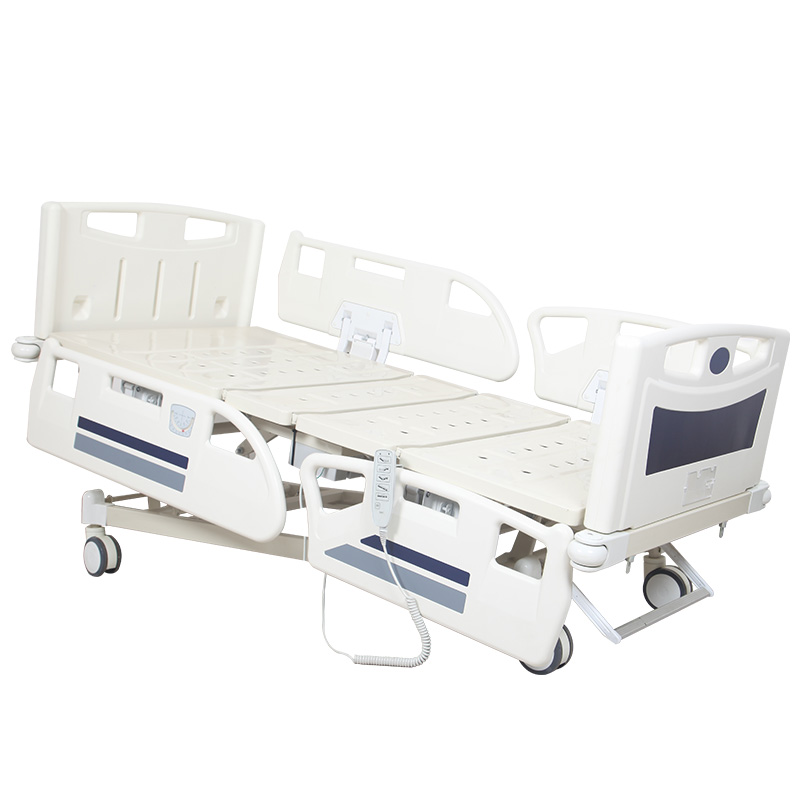
If the bed uses an air mattress, pump cables and handset cables should not confuse the user. The control area should stay clean and easy to identify.
Remote holders, cable clips, and handset brackets are small accessories, but they reduce misuse. Approve these parts together with the lockout function.
Inspection before shipment
During inspection, test every lockout state. Confirm that locked functions do not move, unlocked functions respond correctly, and the handset labels match the actual behavior. Take a short video of the test for the purchase file.
For repeated orders, compare the handset and control box with the approved sample. A small supplier change can alter user operation.
Final buying advice
Lockout control should be simple, visible, and matched to the care setting. Before confirming a bulk order, ask for real operation photos or videos, spare handset information, and training notes. For electric care bed configuration questions, use the contact page with the required function list.
Sample approval notes
Before mass production, ask for photos from the same angles that your inspection team will later use. This creates a shared standard between buyer and supplier. The sample should be approved as a working product, not only as a catalogue appearance.
If the product will be sold through dealers, store the approved photos where the sales and service teams can find them. A good product file reduces repeated questions.
Pre-shipment inspection rhythm
A useful inspection checks appearance first, then function, then accessories, then packing. This rhythm keeps the inspector from missing small parts while focusing on the main frame. It also makes the report easier to compare across repeat orders.
For large orders, inspect several cartons and several units. One good bed does not prove the whole batch is consistent.
Repeat order control
Repeat orders should follow the approved configuration unless the buyer requests a change. If the supplier changes a component, color, cable, label, or accessory position, the buyer should be informed before shipment.
This is especially important for distributors who build a local product range. Consistency makes sales training and after-sales support much easier.
Practical documentation
Keep the final specification, inspection photos, accessory list, and spare part notes in one purchase file. This file becomes more valuable over time, especially when the original buyer or sales manager is no longer handling the account.
A clear record is not paperwork for its own sake. It protects the buyer from repeating old mistakes and helps the supplier understand the expected standard.