

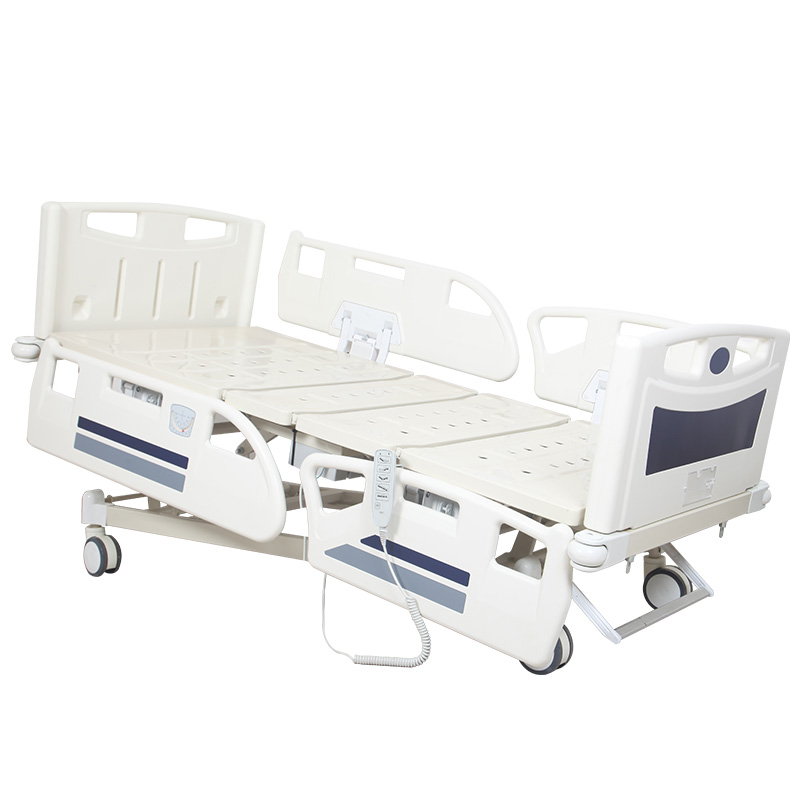
A buyer receives two quotations for an electric hospital bed. Both specification sheets contain the same short description: CPR function: Yes. At first glance, the two beds appear to offer the same feature. But when the buyer asks for a demonstration, the operating methods may be different. One bed may use a mechanical release system that allows the backrest section to be lowered manually according to the product design. Another bed may provide an electrical CPR control through its control system. Some configurations may provide more than one CPR-related operating method. Therefore, the words “with CPR” do not describe the complete technical architecture. For importers, distributors and hospital procurement teams evaluating an electric hospital bed, the more useful question is: What type of CPR system does this exact bed use, what movement does it control, and how is it activated? This article explains CPR systems from a product-configuration and procurement perspective. It is not a clinical CPR instruction guide. Clinical procedures and individual patient-care decisions should follow qualified healthcare professionals, applicable facility protocols and the manufacturer's instructions. On an adjustable electric hospital bed, the backrest may be raised during normal use. A CPR-related system provides a method for changing the bed from an adjusted position toward the configuration defined by the manufacturer for that CPR function. This is why buyers should not assume that every manufacturer's CPR system behaves identically. Normal electric backrest adjustment and a dedicated CPR-related mechanism can be different systems. Depending on the bed design, the system can mechanically release the relevant backrest mechanism so that the section can move according to the manufacturer's intended CPR operation. Depending on the exact model, a dedicated control can command the relevant powered movements. This is an important terminology distinction. The product is an electric hospital bed. The product uses a manual CPR release. A dedicated CPR command may control one movement or coordinate several movements depending on the manufacturer's design. Do not rely only on a brochure icon labeled CPR. A specification that simply says: CPR: Yes is incomplete for technical comparison. The supplier should explain which structure is connected to the CPR release. The purpose is to understand the mechanical relationship between the release control and the moving section. Depending on the bed, the release may be positioned in a model-specific location. A close-up can show the handle. A wider photograph or video shows where that handle is located on the complete bed. The number and location of release controls can depend on the product design. Supplier A and Supplier B may both write “manual CPR” while using different mechanical layouts. A video demonstration provides more useful information. The video should make the relevant bed movement visible. Not every lever or handle is necessarily related to CPR. This avoids confusing CPR release mechanisms with other mechanical components. A genuinely mechanical release and an electrically commanded movement are fundamentally different operating concepts. Understand how the release interacts with the actuator and backrest structure. The important question is what happens after it is activated. Do not copy the control logic from another manufacturer's product. But their internal command sequences may differ. This is particularly important for technical procurement teams comparing different control systems. Some beds may integrate CPR-related controls into a nurse-oriented control interface. Other designs may use another model-specific arrangement. Electric hospital beds can separate patient-accessible controls from staff-oriented controls. This distinction is important when reading product specifications. For example: When such features exist, buyers should understand how the CPR-related control interacts with the system. The answer should be based on the actual control system supplied. Buyers sometimes assume that an electric CPR control and a mechanical release provide the same dependency on the electrical system. If the bed includes battery-related functionality, understand what the battery supports on that model. A battery concerns electrical power availability. A manual CPR mechanism concerns a mechanical operating method. Confirm the exact configuration before ordering. The relevant control should be identifiable according to the manufacturer's design and instructions. If labels or markings form part of the approved configuration, include them in final product verification. The hospital bed includes rails, mattress, headboard, footboard and other components. This gives buyers a more realistic understanding of the system. An empty platform does not represent the final hospital-bed configuration. The objective is not to perform clinical CPR training. The objective is to verify how the bed's mechanical or electrical system behaves in its intended assembled configuration. Observe the movement itself during the manufacturer's demonstration. Do not attempt uncontrolled adjustment of the release mechanism. After a mechanical CPR demonstration, the bed needs to return to its normal operating configuration according to the manufacturer's design. The buyer should understand how the bed returns to normal intended operation. If the function is included in the ordered configuration, it should be part of the agreed product evaluation. A stronger technical specification describes the actual system. If the project requires a particular type of CPR-related mechanism, the requirement should be stated clearly. When CPR is part of the approved product configuration, relevant inspection should confirm that the production beds use the approved system. Where practical and appropriate, verify the actual function according to the agreed inspection procedure. Manual CPR: generally refers to a mechanically operated release arrangement according to the product design. Electric CPR: refers to an electrically commanded function integrated into the bed's control architecture. That description is too simplistic for procurement. The appropriate configuration depends on the hospital's technical specification, project requirements and the design of the bed being evaluated. The term 5-function normally describes the primary adjustable bed movements defined for that product. The number of actuators relates to how the powered movements are implemented. Therefore, buyers should not try to infer CPR configuration simply by counting actuators. But a photograph cannot demonstrate how the system actually works. The appropriate documentation depends on the project and manufacturer. The video should identify the exact bed model. A supplier may manufacture several electric hospital beds. This can help confirm that the demonstration relates to the correct configuration. If the exact model provides a specific system, describe it accurately. This reduces confusion when downstream buyers request technical confirmation. Do not rely on the supplier to decide what “CPR required” means. This makes comparison between suppliers more transparent. A practical technical review can include: This does not define the actual system. Keep the primary function count and CPR specification separate. An electric hospital bed can contain a mechanical CPR release. A label does not demonstrate the mechanism. Control logic can differ. Understand which functions depend on electrical power. Evaluate the assembled configuration where appropriate. A complete demonstration should show how the bed returns to normal intended operation. An electric hospital bed can contain sophisticated movement and control systems. CPR-related functionality is one part of that architecture. For buyers, the most important distinction is not the marketing phrase printed in the catalogue. It is understanding the actual product: Manual Release → Mechanical Architecture → Electric Control → Control Logic → Power Dependency → Complete Bed Movement → Reset → Documentation. This makes it possible to compare two electric hospital beds on their real technical configuration rather than assuming that identical feature names represent identical systems. It also prevents several common misunderstandings: Electric bed does not automatically mean electric CPR. Manual CPR does not mean the hospital bed itself is manual. Five functions do not automatically define the CPR configuration. Motor count does not automatically define the CPR system. A CPR label does not replace a functional demonstration. For importers and distributors, the practical procurement process should therefore be: Define Requirement → Identify CPR Type → Demonstrate Exact Model → Record Technical Behavior → Approve Sample → Freeze Specification → Verify Production. Hebei Heyuan Medical Equipment Co., Ltd. manufactures electric hospital beds, ICU beds, manual hospital beds and related medical furniture for international distributors, importers and hospital projects. Buyers can review our electric hospital bed range for different function and control configurations. For electric hospital bed specifications, CPR configurations, control-system requirements, OEM or ODM projects and bulk quotations, please contact Heyuan Medical with your required model, functions, quantity and destination market.“With CPR Function” Sounds Clear — But Buyers Still Need to Ask What It Means
What Does CPR Mean on an Electric Hospital Bed?
CPR Is Usually Related to Rapid Bed Repositioning
The Exact Movement Depends on the Bed Design
CPR Is Not Simply Another Marketing Name for Backrest Adjustment
Ask the Supplier to Demonstrate the Exact Product
Manual CPR and Electric CPR Are Not the Same Technical Concept
Manual CPR Usually Refers to a Mechanical Release Arrangement
It Should Be Evaluated as a Physical Mechanism
Electric CPR Uses the Electrical Control System
It Should Be Evaluated as Part of the Bed's Electrical and control architecture
Do Not Assume “Manual” Means the Bed Is a Manual Hospital Bed
An Electric Hospital Bed Can Still Have a Manual CPR Mechanism
The Main Bed Can Be Fully Electric While One Emergency-Related Release Is Mechanical
Therefore, These Two Statements Can Both Be True
Do not confuse the CPR operating method with the overall bed drive system
Do Not Assume “Electric CPR” Means the Entire Bed Becomes Flat in Exactly the Same Way on Every Model
Control Logic Can Differ Between Products
The Exact Sequence Should Be Confirmed for the Exact Model
Ask for a Full Demonstration
Watch what actually moves after the relevant control is activated
1. Ask Whether the Bed Has Manual CPR, Electric CPR or Both
This Should Be the First Technical Question
Ask the Supplier to Define the System
A Better Specification Description Might Identify
Use the manufacturer's actual terminology and documentation
2. Ask Which Bed Section the Manual CPR Mechanism Releases
Do Not Assume the Mechanism Controls Every Adjustable Section
Request a Demonstration Rather Than Guessing From the Bed Appearance
Watch the Backrest Structure During the Demonstration
Keep hands and objects clear of moving mechanisms during demonstrations
3. Ask Where the Manual CPR Handle or Release Is Located
Location Is Part of the Product Design
Buyers Should See the Actual Component
Do Not Accept Only a Close-Up Photograph Without Context
Both views can be useful during technical evaluation
4. Ask How Many Manual CPR Release Points Are Provided
Do Not Assume Every Bed Uses the Same Arrangement
Record the Actual Configuration in the Technical Specification
This Is Particularly Important When Comparing Several Suppliers
Compare the actual systems rather than only the feature name
5. Ask the Supplier to Demonstrate Manual CPR From an Adjusted Backrest Position
A Static Photograph Cannot Show the Mechanism Working
Start With the Bed in the Manufacturer's Appropriate Demonstration Position
Then Show the Intended Release Operation
The demonstration should follow the manufacturer's operating procedure
Do Not Evaluate Manual CPR by Pulling Random Levers
An Electric Hospital Bed Can Contain Several Mechanical Controls
Identify the Correct Component First
Use the Product Manual or Manufacturer Demonstration
Model-specific instructions should control operation
6. Ask Whether the Manual CPR System Requires Electrical Power
This Is an Important Architecture Question
Ask the Manufacturer to Explain the Exact System
Do Not Infer the Answer Only From the Word “Manual”
A technical demonstration can make the architecture clearer
7. Ask What Electric CPR Actually Commands
An Electric CPR Button Is a Control Input
Does It Control Only One Movement or Coordinate Several Movements?
The Answer Must Come From the Exact Bed Design
Record the actual behavior in the technical specification where relevant
Electric CPR Is a Control-Logic Question, Not Just a Button Question
Two Beds Can Both Have a Button Marked CPR
The Button Symbol Alone Does Not Define the Function
Ask to See the Complete Movement Sequence
Evaluate behavior rather than appearance
8. Ask Where the Electric CPR Control Is Located
The Control Interface Depends on the Bed Configuration
Verify the Exact Control Location
Do Not Assume the Patient Handset Contains Every Function
Check the exact control architecture of the offered model
CPR Function and Handset Configuration Should Be Evaluated Separately
A Bed Can Have Electric Adjustment Without Putting Every Command on the Handset
Ask Which Interface Controls Which Function
Create a Control Map if the Bed Has Several Interfaces
The exact architecture depends on the model
9. Ask Whether Electric CPR Is Affected by Function Lockout
Advanced Electric Beds Can Include Function-Control or Lockout Features
Do Not Guess the Priority Logic
Ask the Manufacturer to Demonstrate the Exact Configuration
Model-specific operating documentation is important
10. Ask What Happens if Normal Electrical Operation Is Unavailable
This Is Where Manual and Electric Systems Should Be Clearly Distinguished
They Do Not Necessarily Do So
Ask the Supplier to Explain the Exact Product Architecture
Do not assume every battery powers every function under every condition
Battery Backup and Manual CPR Are Different Specifications
Do Not Combine Them Into One Feature
They Should Be Listed Separately in the Technical Specification
A Bed May Have One, Both or Neither Depending on Its Design
Avoid assumptions based on another model
11. Check Whether the CPR Mechanism Is Clearly Identified
Product Identification Can Support Correct Operation
Check the Actual Production Configuration
Do Not Approve Only an Engineering Sample if the Final Production Identification Will Be Different
The production bed should correspond to the approved technical reference
12. Ask Whether the CPR Mechanism Is Accessible With the Side Rails in Their Normal Configuration
Evaluate the Complete Bed, Not an Isolated Mechanism
These Components Can Affect Physical Access Around the Bed
Ask for a Demonstration With the Complete Product Assembled
Do not evaluate CPR access on a partially assembled factory frame
13. Test the CPR System With the Intended Mattress Installed
The Mattress Is Part of the Complete Bed Setup
Use the Intended Mattress During Product Evaluation Where Appropriate
Observe the Complete Movement
Clinical procedures remain outside the scope of product procurement testing
14. Check Whether the Backrest Returns Smoothly According to the Product Design
Do Not Evaluate Only Whether the Section Moves
Look for Consistent Mechanical Behavior
If the Movement Appears Abnormal, Stop and Ask the Manufacturer to Inspect the Bed
Technical service should follow the manufacturer's procedure
15. Ask How the Manual CPR Mechanism Resets After Demonstration
Buyers Often Focus on Release but Forget Reset
Ask the Supplier to Show the Complete Cycle
Release Is Only Half of the Demonstration
Do not assume the reset procedure is identical across models
16. Check the CPR System During Sample Approval
Do Not Leave CPR as an Untested Line on the Specification Sheet
Record the Exact CPR Type
The Sample Record Can Identify
This creates a clearer production reference
17. Include CPR in the Final Technical Specification
Do Not Write Only “CPR: Yes”
Use Accurate Model-Specific Language
This Is Particularly Important for Tenders and Distributor Specifications
The supplier can then confirm the offered configuration against that requirement
18. Verify the CPR Configuration Again During Bulk Inspection
Sample Approval Is Not the End of Technical Control
Inspection Scope Can Follow the Project Quality Plan
Do Not Assume a Visible CPR Label Proves the Complete Mechanism
Product behavior matters more than the sticker alone
Manual CPR vs Electric CPR: What Is the Main Difference?
The Simplest Technical Distinction Is the Operating Principle
But Buyers Still Need Model-Specific Details
Do Not Reduce the Comparison to “Manual Is Basic, Electric Is Advanced”
Evaluate how the exact system works and whether it matches the project requirement
Is Electric CPR Better Than Manual CPR?
This Is Not a Useful Universal Procurement Question
Compare Against the Requirement Rather Than Looking for a Universal Winner
A Buyer Should Ask
This produces a more meaningful technical comparison
Does Every 5-Function Electric Hospital Bed Have CPR?
No Assumption Should Be Made From Function Count Alone
CPR Should Be Confirmed Separately
A 5-Function Description Does Not Automatically Tell You
Keep movement count and CPR specification separate
Does the Number of Motors Tell You Whether the Bed Has CPR?
Motor Count Alone Does Not Define the CPR Architecture
A Mechanical CPR Release Is a Separate Design Question
Electric CPR Also Depends on Control Logic
Ask for the exact technical description
Can You Identify CPR From a Product Photo?
Sometimes a Handle or Control May Be Visible
Use Photos for Identification and Video for Movement Verification
For More Detailed Evaluation, Request Technical Documentation
Do not infer hidden control logic from appearance
What Should a CPR Demonstration Video Show?
Ask for One Clear, Continuous Demonstration
Then Show the Relevant CPR-Related System
A Useful Video Can Show
The demonstration should follow the manufacturer's instructions
Do Not Accept a Video From a Different Hospital Bed Model
Product Families Can Use Different CPR Systems
The Demonstration Should Correspond to the Model Being Quoted
Check the Headboard, Rails and Control System in the Video
Model relevance is important
What Should Distributors Put in Their Product Datasheet?
Avoid Overly Generic CPR Descriptions
Do Not Claim Both Manual and Electric CPR Unless Both Are Actually Supplied
Keep Marketing Information Consistent With Factory Configuration
Technical accuracy supports more reliable B2B communication
What Should Hospital Project Buyers Put in an RFQ?
If CPR Type Matters to the Project, State the Requirement Clearly
Specify the Required Technical Concept Where Appropriate
Then Ask the Supplier to State the Offered Configuration
Project requirements should control the evaluation
What Should Buyers Check on a Physical Sample?
Use the Exact Ordered Configuration
Keep the review focused on product behavior and specification compliance
Common CPR Specification Mistakes Buyers Should Avoid
Mistake 1: Writing Only “CPR: Yes”
Identify manual, electric or other model-specific configuration
Mistake 2: Assuming CPR Is One of the Five Main Functions
Confirm both independently
Mistake 3: Assuming Manual CPR Means Manual Hospital Bed
Do not confuse overall drive type with release method
Mistake 4: Looking Only for a CPR Sticker
Verify the actual product
Mistake 5: Assuming Electric CPR Works the Same on Every Bed
Request a model-specific demonstration
Mistake 6: Ignoring Electrical Dependency
Do not make assumptions from feature names
Mistake 7: Testing an Incomplete Bed
Include the intended mattress and relevant components
Mistake 8: Forgetting the Reset Process
Release and reset belong to the same product evaluation
A Practical CPR Checklist for Electric Hospital Bed Buyers
Before Confirming an Order, Ask These Questions
Record the answers before treating “with CPR” as a confirmed specification
For Technical Procurement, “With CPR” Is the Beginning of the Question — Not the End