
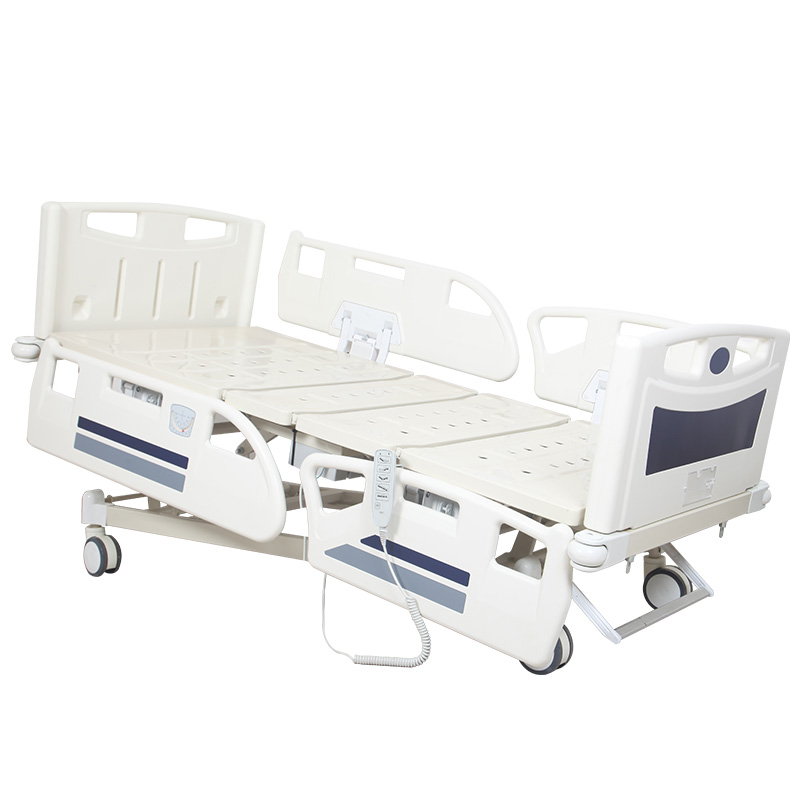
Electric hospital beds are used in environments where patient safety, caregiver efficiency, and equipment reliability are equally important. Unlike ordinary beds, electric medical beds include moving structures, electrical systems, and adjustable positioning functions that must work safely during daily operation. For hospitals, nursing facilities, and healthcare providers, understanding safety features helps buyers select equipment that better matches their patient care requirements. A safe electric hospital bed is not determined by one single component. It is the result of multiple systems working together. Explore our Electric Hospital Bed solutions designed for hospitals, rehabilitation centers, and professional healthcare environments. The bed frame is the foundation of overall safety and durability. A stable frame helps the bed maintain reliable performance during patient positioning, transfers, and daily care activities. Side rails are one of the most visible safety components on an electric hospital bed. Side rails should provide appropriate protection while still allowing caregivers convenient access when providing care. Moving components such as side rails require secure locking systems. Because caregivers operate side rails many times every day, the mechanism should maintain consistent performance over long-term use. Hospital beds often need to move but also remain stable when positioned. A secure braking system helps prevent unwanted movement during patient care, transfers, and medical procedures. Some electric hospital beds include emergency-related functions designed to support urgent situations. Different departments may require different emergency features depending on patient conditions and care procedures. Electric hospital beds rely on motors, controllers, and power systems, making electrical safety an important consideration. Professional electric beds should be designed to provide stable operation during repeated daily adjustments. Electric adjustment functions should provide controlled and stable movement. Sudden or unstable movement may reduce comfort and confidence during operation. The hand controller is the main interface between users, caregivers, and the bed. A clear control design allows users and caregivers to operate the bed more confidently. Some elderly and limited-mobility patients may benefit from beds designed with lower height ranges. A lower position may be useful in some care environments, but the complete patient situation should always be considered. The mattress is an important part of the overall patient support system. Healthcare facilities requiring pressure management solutions can also review our Air Mattress options. Every electric hospital bed should have clearly defined load specifications. Selecting the appropriate bed model according to patient requirements is an important part of safe operation. Safety also includes maintaining a clean healthcare environment. A bed that is easier to clean can help healthcare facilities maintain consistent hygiene procedures. Even well-designed equipment requires correct operation. Proper training helps reduce operational mistakes and improves patient care efficiency. Learn more about our production capability through our Factory page. Electric hospital beds combine mechanical movement, electrical systems, and patient support functions. For healthcare facilities, safety should always be considered together with comfort, efficiency, and long-term reliability. A suitable electric hospital bed helps create a safer care environment while supporting both patients and healthcare professionals. When comparing electric hospital beds, do not only ask how many functions the bed has. Also evaluate how safely those functions operate, how stable the structure is, and how well the bed supports daily patient care. If you are sourcing electric hospital beds for hospitals, nursing facilities, rehabilitation centers, or medical projects, Contact Us to discuss suitable configurations.Why Safety Is a Key Factor When Choosing Electric Hospital Beds
Safety Starts With the Complete Bed Design
Main Safety Considerations Include:
1. Stable Bed Frame Construction
Important Structural Factors Include:
Why Structural Stability Matters
2. Side Rails for Patient Protection
When Evaluating Side Rails, Consider:
Balance Safety and Caregiver Access
3. Reliable Locking Mechanisms
A Good Locking System Should Provide:
Frequently Used Components Need High Reliability
4. Central Braking System for Bed Stability
Important Brake Features Include:
Why Braking Performance Matters
5. Emergency Functions for Critical Situations
Possible Emergency Features Include:
Emergency Functions Should Match Clinical Needs
6. Electrical System Protection
Review:
Reliable Electrical Design Supports Safe Operation
7. Safe Movement During Position Adjustment
Important Performance Factors Include:
Controlled Movement Improves User Experience
8. Patient-Friendly Hand Controller Design
Consider:
Simple Controls Reduce Operation Errors
9. Low Position and Fall Risk Considerations
When Evaluating Low Positions, Consider:
The Correct Height Depends on the Application
10. Mattress Compatibility and Safety
Confirm:
11. Safe Working Load Considerations
Buyers Should Confirm:
Correct Specification Prevents Overloading
12. Easy Cleaning and Infection Control Support
Consider:
Practical Design Supports Better Hygiene Management
13. Safety Training for Healthcare Staff
Staff Training Should Include:
Equipment Safety Depends on Correct Use
14. Safety Questions Buyers Should Ask Suppliers
Before Purchasing, Ask:
Common Mistakes When Evaluating Electric Hospital Bed Safety
Electric Hospital Bed Safety Checklist
Safety Should Be the Foundation of Electric Hospital Bed Selection
Expert Tip