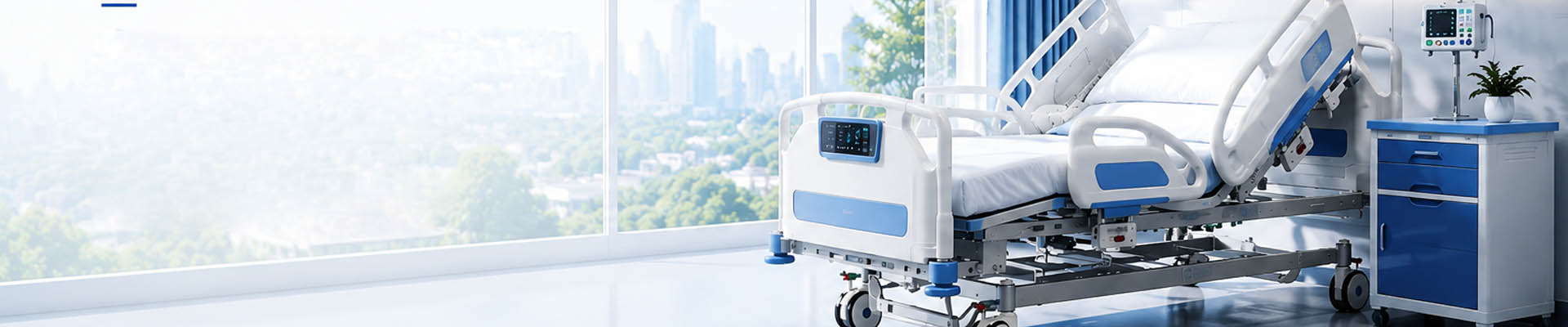



Electric hospital beds are designed for repeated daily operation in hospitals, rehabilitation centers, nursing facilities, and home healthcare environments. Because these beds include electrical systems, moving mechanisms, and multiple adjustable sections, regular maintenance is important for reliable operation and long-term performance. A preventive maintenance approach can help reduce unexpected downtime, improve equipment availability, and support better patient care. An electric hospital bed includes several systems that work together during daily operation. Explore our Electric Hospital Bed solutions designed for professional healthcare applications. A simple visual inspection can identify many potential problems before they affect daily operation. Small issues are usually easier and less expensive to correct when identified early. Electric actuators are responsible for moving different sections of the bed. Changes in operating noise may indicate that a component requires inspection before a complete failure occurs. The hand controller is one of the most frequently used components on an electric hospital bed. A reliable controller helps both patients and caregivers operate the bed efficiently. The control box manages communication between the controller and actuators. Loose or improperly positioned cables may experience unnecessary stress during repeated bed movement. Electrical compatibility and connection quality influence daily reliability. International facilities should ensure that electrical components continue to match the requirements of the installation location. Hospital environments require regular cleaning, but cleaning methods should match the equipment design. Electrical components should be protected from inappropriate cleaning methods or excessive moisture. Side rails are frequently operated by caregivers and should remain smooth and stable. Frequently used mechanical components should be inspected as part of routine equipment management. Electric hospital beds may need to be moved for cleaning, patient transfer, room adjustment, or emergency situations. A stable caster and brake system helps caregivers move and position beds more efficiently. Although electric beds use motors, many mechanical components work together to complete each movement. Regular inspection helps maintain stable movement and reduce unnecessary wear. Maintenance should be planned rather than performed only after a problem appears. A high-use hospital environment may require more frequent inspection compared with a lower-use home care application. Maintenance records help healthcare facilities understand equipment performance over time. Equipment history can provide valuable information when selecting future hospital bed models or planning replacement cycles. For hospitals and distributors, maintaining a basic spare parts inventory can reduce downtime. Reliable suppliers should provide support for replacement components throughout the product lifecycle. Incorrect operation is one factor that may contribute to unnecessary equipment problems. A well-trained team can identify problems earlier and avoid unnecessary damage caused by incorrect operation. Possible checks include: Possible checks include: Possible checks include: Troubleshooting procedures should follow the supplier's technical recommendations and safety requirements. Maintenance becomes easier when suppliers provide clear documentation and reliable after-sales support. Learn more about our production capability through our Factory page. An electric hospital bed is a long-term healthcare investment. Regular inspection, correct operation, and preventive maintenance can help facilities reduce unexpected downtime and maintain reliable patient care support. For hospitals, nursing facilities, and distributors, choosing a manufacturer that provides technical support and spare parts availability is also an important part of long-term equipment management. Create a simple monthly inspection checklist for every electric hospital bed in your facility. Regular checks of actuators, controllers, cables, brakes, and moving parts can identify many problems before they interrupt daily operation. If you are sourcing electric hospital beds for healthcare facilities or distribution projects, Contact Us to discuss suitable configurations and support requirements.Why Electric Hospital Bed Maintenance Matters
Understand the Main Maintenance Areas of an Electric Hospital Bed
Main Maintenance Areas Include:
1. Perform Regular Visual Inspections
Check:
Why Regular Inspection Helps
2. Check Electric Actuators Regularly
Common Actuator Functions Include:
During Inspection, Check:
Do Not Ignore Unusual Sounds
3. Inspect the Hand Controller
Check:
Keep Controls Easy to Use
4. Check the Control Box and Electrical Connections
Maintenance Should Include:
Cable Management Is Important
5. Inspect Power Supply and Plug Connections
Check:
Follow Local Electrical Requirements
6. Keep the Bed Clean According to Instructions
Pay Attention To:
Avoid Direct Damage to Electrical Components
7. Maintain Side Rail Mechanisms
Check:
Repeated Operation Requires Regular Checking
8. Check Casters and Braking Systems
Inspect:
Reliable Mobility Supports Daily Workflow
9. Inspect Mechanical Connections
Check:
Loose Components Can Affect Performance
10. Create a Preventive Maintenance Schedule
A Maintenance Schedule May Include:
Maintenance Frequency Depends on Usage
11. Keep Records of Repairs and Maintenance
Useful Records Include:
Records Help With Future Purchasing Decisions
12. Keep Common Spare Parts Available
Common Spare Parts May Include:
13. Train Caregivers on Correct Operation
Training Should Cover:
Proper Use Supports Longer Service Life
14. Troubleshooting Common Electric Hospital Bed Problems
Problem: Bed Does Not Move
Problem: One Function Does Not Work
Problem: Unusual Noise During Movement
Always Follow Manufacturer Guidance
15. Choose a Supplier That Supports Long-Term Maintenance
Ask Suppliers About:
Common Mistakes in Electric Hospital Bed Maintenance
Electric Hospital Bed Maintenance Checklist
Preventive Maintenance Creates More Reliable Care Equipment
Expert Tip