

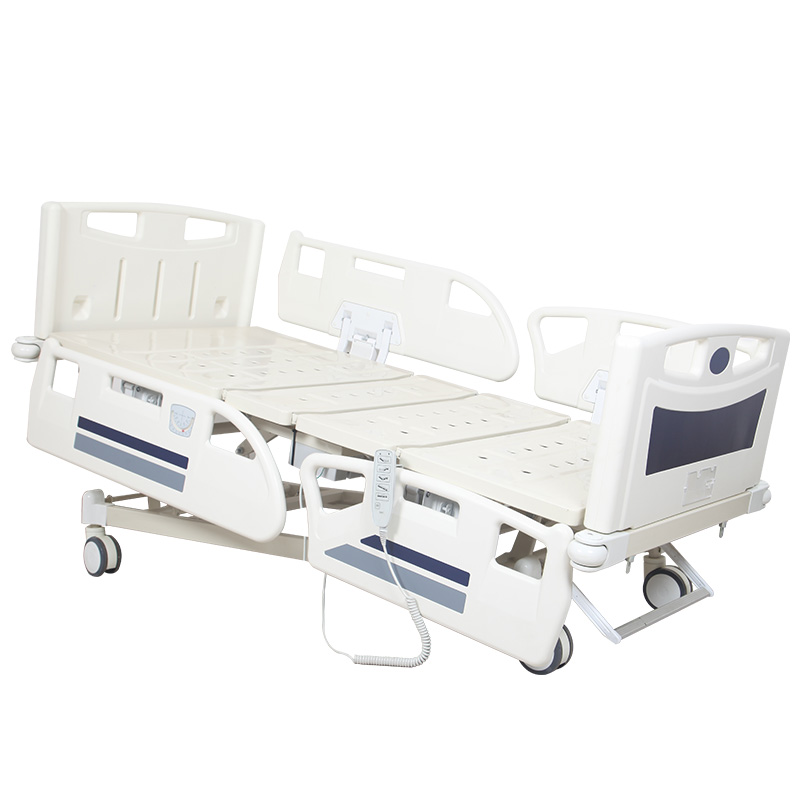
Electric hospital beds have become an important part of modern healthcare facilities because they improve patient positioning, caregiver efficiency, and daily treatment support. However, choosing the right electric hospital bed requires more than comparing product photos or quotation prices. Hospitals should evaluate technical specifications, reliability, safety features, maintenance requirements, and supplier capability before placing an order. One of the most common purchasing mistakes is selecting a bed with too many or too few functions. Different departments have different requirements. General wards, rehabilitation centers, ICU departments, and long-term care facilities may need different configurations. Important functions may include backrest adjustment, leg elevation, height adjustment, Trendelenburg positioning, and other patient positioning options. Explore our professional Electric Hospital Bed solutions for hospitals and healthcare facilities. The motor system is one of the most important differences between electric hospital beds. Reliable motors should provide smooth movement, stable operation, and sufficient load capacity for long-term healthcare use. Hand controllers, nurse control panels, and electrical components should be designed for repeated daily operation. International buyers should confirm voltage requirements, plug standards, and electrical safety considerations before production. Hospital beds directly support patients, making safety one of the most important purchasing considerations. Side rails should provide appropriate protection while remaining easy for caregivers to operate. Reliable casters and central braking systems help improve stability during patient care and transportation. For certain healthcare environments, functions such as emergency lowering or CPR-related features may be important considerations. Electric hospital beds include mechanical and electrical components that require long-term support. Hospitals and distributors should confirm whether motors, controllers, handsets, casters, and other components can be supplied when needed. A reliable supplier should provide clear product information and technical communication after delivery. The supplier's manufacturing capability often determines the consistency and reliability of the final product. Experienced manufacturers understand hospital requirements and can better control product quality during bulk production. Professional factories should inspect materials, assembly quality, electrical systems, and final functions before shipment. Learn more about our manufacturing capability through our Factory page. A lower price may indicate differences in materials, components, functions, or quality control procedures. A hospital bed is a long-term investment. Future availability of spare parts and technical support should be considered before purchasing. More functions do not always mean better value. The best choice is a configuration that matches actual patient care requirements. Before production, buyers should confirm dimensions, materials, functions, accessories, electrical requirements, and packaging details. An electric hospital bed supplier should provide more than equipment. A professional manufacturer supports product selection, customization, quality control, delivery planning, and long-term cooperation. The best electric hospital bed is not simply the one with the highest number of functions or the lowest price. Hospitals should choose equipment that provides reliable performance, suitable features, and long-term value. If you are planning an electric hospital bed project or distributor program, Contact Us to discuss suitable configurations.Buying an Electric Hospital Bed Requires More Than Comparing Prices
1. Check Whether the Functions Match Your Clinical Requirements
Understand Daily Usage Scenarios
Common Electric Bed Functions
2. Evaluate Motor and Electrical System Quality
Motor Performance
Control System Reliability
Electrical Compatibility
3. Inspect Safety Features Before Ordering
Side Rail Design
Brake and Mobility System
Emergency Functions
Long-Term Reliability Should Be Considered Before Purchase
4. Understand Maintenance and Spare Parts Support
Replacement Components
Technical Support
5. Evaluate the Manufacturer Behind the Product
Production Experience
Quality Inspection Process
Common Mistakes When Buying Electric Hospital Beds
Choosing Only Based on the Lowest Price
Ignoring Future Maintenance
Selecting Too Many Unnecessary Functions
Not Confirming Specifications Clearly
Electric Hospital Bed Buying Checklist
Before Confirming Your Order, Check:
Why Choosing the Right Supplier Matters
Expert Tip