

An Electric Hospital Bed Has to Live in Two Very Different Worlds
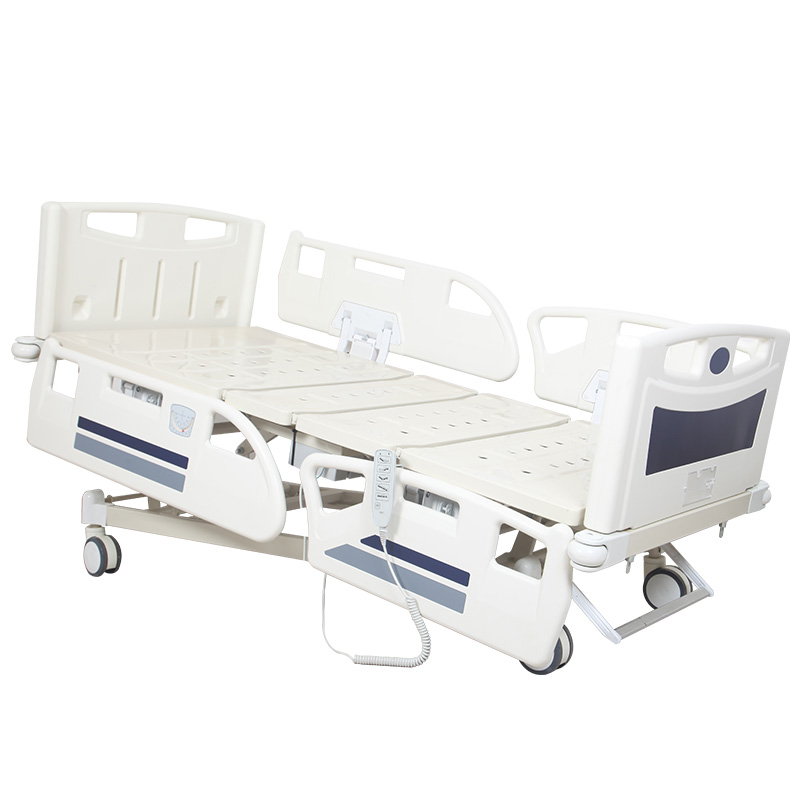
An electric hospital bed is expected to behave like medical equipment.
It needs to be cleaned regularly.
Its surfaces may be wiped frequently.
The mattress platform, side rails, head and foot boards and other areas may all form part of the hospital's cleaning routine.
At the same time, underneath that same bed is an electrical system.
There may be several actuators.
A control box.
A patient handset.
Staff controls.
Electrical connectors.
Power cables.
And, depending on the configuration, a backup battery.
This creates an important purchasing question:
How does the bed remain practical to clean without exposing its electrical components to conditions they were not designed to tolerate?
For buyers evaluating an Electric Hospital Bed, this question should be answered before the product enters the ward.
“Waterproof” Is Usually Too Vague to Be a Useful Specification
Some quotations use simple descriptions such as:
“Waterproof motor.”
“Waterproof handset.”
“Waterproof electric system.”
These statements sound reassuring but are not precise enough for professional procurement.
Ask What the Claim Actually Refers To
Is the supplier describing:
- The actuator housing?
- The handset?
- The control box?
- The complete connector system?
- One selected component?
- The entire assembled bed?
These are very different claims.
Do Not Turn One Protected Component Into a Claim About the Entire Bed
An actuator may have a defined ingress-protection specification while a connector, handset or control box uses a different protection level.
The complete electric bed should therefore be evaluated component by component.
IP Ratings Are More Useful Than the Word “Waterproof” — But Buyers Still Need to Read Them Correctly
Electrical components may be supplied with an IP, or ingress protection, classification.
The rating provides defined information about protection against ingress according to the applicable classification system.
Do Not Compare Only the Final Number
Buyers should first confirm:
- Which component the rating applies to
- Whether the rating relates to the actual supplied component
- What installation conditions are required
- Whether connectors need to be fully installed for the rating to apply
A Rating on the Actuator Does Not Automatically Apply to an Unconnected Cable
Electrical protection often depends on the system being assembled correctly.
A connector left partially inserted may create a completely different condition from the properly installed configuration.
The Actuator Is One of the Most Exposed Electrical Components Under the Bed
Electric actuators create the physical movement of the hospital bed.
Depending on the model, they may control:
- Backrest adjustment
- Legrest adjustment
- Overall height
- Trendelenburg movement
- Reverse Trendelenburg movement
Because these actuators are mounted around or underneath the mattress platform, their location deserves attention during cleaning evaluation.
Look at Where the Actuator Body Is Installed
Some parts of the electrical system may be more exposed to dripping liquid or cleaning contact than others.
Inspect the Cable Entry Point
The area where the cable enters the actuator is part of the complete protection design.
Buyers should not focus only on the plastic body of the motor.
Actuator Orientation Can Influence the Real Installation Environment
The same electrical component may be mounted differently in different hospital bed designs.
Ask Why the Motor Is Positioned in That Direction
The installation may be determined by:
- Bed-frame geometry
- Movement range
- Cable routing
- Service access
- Protection from mechanical impact
Do Not Evaluate the Component Outside the Bed
An actuator specification alone does not tell the buyer how well it is integrated into the final electric medical bed.
The Control Box May Be More Important Than the Buyer Realizes
The control box coordinates the electrical system.
It connects several actuators and control devices.
Its installation position therefore matters.
Look at Where the Control Box Sits Under the Bed
Ask whether it is:
- Protected by surrounding frame structures
- Located away from obvious mechanical contact points
- Accessible for service
- Installed so cables can enter without excessive strain
Protection and Serviceability Need to Be Balanced
A component hidden too deeply may be difficult to maintain.
A component placed too openly may be unnecessarily exposed.
Good integration needs to consider both.
The Connector System Is Often the Weakest Point Buyers Forget to Inspect
Hospital bed quotations often identify the motor brand and control box while saying almost nothing about the connectors.
But every actuator needs to connect to the control system.
Inspect Each Connector
Check:
- Whether it is fully seated
- Whether a locking mechanism is provided
- Whether the cable enters naturally
- Whether the connector hangs under its own weight
- Whether it approaches moving metal components
A Good Electrical Component Can Still Fail if the Connection Is Poor
The system should be evaluated as a complete electrical network rather than a collection of branded parts.
Connector Position Should Be Checked Through Every Bed Movement
A five-function electric hospital bed changes geometry significantly.
Cables and connectors therefore need to remain correctly positioned throughout the movement range.
Raise the Backrest Fully
Watch the relevant actuator cable and surrounding connectors.
Raise the Leg Section
Observe whether another cable changes tension.
Move From Minimum to Maximum Height
Check the cable length and routing throughout the complete lift.
Operate Trendelenburg and Reverse Trendelenburg
Observe the electrical system again as the underframe geometry changes.
One Static Inspection Is Not Enough
A cable can look perfectly routed while the bed is flat and become tight only at one extreme position.
The Handset Is Frequently Touched — So Cleaning Requirements Are Different
The handset is not hidden underneath the frame.
It is a high-contact user interface.
Patients and nursing staff may touch it repeatedly.
Ask How the Handset Should Be Cleaned
The manufacturer's instructions should define appropriate handling and cleaning methods.
Do Not Assume a Sealed-Looking Handset Can Be Immersed
A smooth plastic housing does not automatically mean the component is designed for immersion or unrestricted washing.
Follow the actual component specification.
Button Seals and Housing Joints Deserve Attention
A handset contains openings or interfaces where the user activates electrical controls.
Look Around the Buttons
Check whether the control surface appears consistently assembled and whether obvious gaps or damaged seals are present.
Inspect the Cable Exit Too
The point where the handset cable exits the housing is another area that should be included in visual inspection.
Side Rail Controls Introduce Electrical Components Into a High-Touch Area
Some electric hospital beds integrate control buttons directly into the side rails.
This can improve access but changes the cleaning and maintenance requirements of the rail.
The Rail Is No Longer Only a Mechanical Component
It may contain:
- Buttons
- Wiring
- Connectors
- Control modules
Cleaning Procedures Should Reflect the Actual Rail Configuration
A conventional ABS side rail and an electronically controlled rail should not automatically be treated as identical during maintenance planning.
Footboard Control Panels Need the Same Attention
Higher-configuration electric hospital beds may contain staff controls in the footboard.
This Creates Another Electrical Surface
The panel may be touched frequently and may be located where staff also handle the bed during movement.
Ask Whether the Control Panel Is Replaceable Separately
If liquid ingress or physical damage affects the panel, buyers should understand whether the entire footboard needs replacement or whether the control assembly can be serviced independently.
Cleaning Should Never Mean “Spray Everything Until It Looks Wet”
Electric hospital beds contain both cleanable surfaces and electrical systems.
A suitable cleaning method should follow manufacturer instructions and institutional procedures.
Different Areas of the Bed Can Require Different Handling
The cleaning approach for:
- ABS headboards
- Steel mattress platform
- Side rails
- Handset
- Control panel
- Actuators
- Electrical connectors
may not be identical.
The Entire Bed Should Not Be Treated as One Uniform Material
A hospital bed is a system made from steel, plastics, electrical parts, wiring and moving mechanisms.
High-Pressure Washing Is a Completely Different Condition From Surface Wiping
This distinction should be clear before equipment is purchased.
Ask the Hospital How the Beds Will Actually Be Cleaned
Some facilities use routine wiping and disinfection procedures.
Other environments may use more intensive equipment-cleaning processes.
Match the Bed Specification to the Facility Procedure
If a hospital intends to use a particular wash method, the buyer should confirm that the complete bed configuration is intended for those conditions.
Do not assume compatibility from one component's IP rating.
Water Protection and Chemical Compatibility Are Two Different Questions
A component can resist a certain level of water ingress while still being affected by an unsuitable cleaning chemical.
Do Not Treat IP Rating as Chemical-Resistance Certification
The questions are separate.
Ask for Approved Cleaning Guidance
The hospital should understand which cleaning and disinfecting agents or procedures are compatible with the supplied materials and electrical components according to manufacturer instructions.
Aggressive Cleaning Chemicals Can Also Affect Plastic Components
The electrical system is not the only concern.
Handset housings, cable jackets, control panels and connector materials are also made from polymers.
Look for Changes During Long-Term Use
Incorrect cleaning methods may contribute to:
- Surface discoloration
- Material degradation
- Cracking
- Label damage
- Reduced readability of controls
Cleaning Compatibility Is Part of Lifecycle Planning
It should not be discussed only after a component begins showing damage.
The Battery System Introduces Another Electrical Component Under the Bed
Some electric hospital beds include a rechargeable backup battery.
The battery may be installed near the control system.
Check Its Location
Ask:
- Where the battery is mounted
- How it connects to the control system
- How it is accessed for replacement
- How cleaning around the battery area should be performed
Do Not Assume the Battery Has the Same Protection Rating as the Actuator
Each component should be evaluated according to its own specification and installation.
The Mains Power Connection Deserves Separate Attention
An electric hospital bed eventually connects to mains electricity.
Inspect the Power Cable
Check:
- Cable condition
- Strain relief
- Routing
- Plug configuration
- Relationship to moving components
Power Cable Damage Can Occur Mechanically
The main risk is not necessarily water alone.
A cable can also be damaged if it becomes trapped by furniture, bed movement or casters.
Never Route the Mains Cable Where a Caster Can Roll Over It
A hospital bed can weigh substantially more than ordinary furniture.
The caster system should therefore remain separated from electrical cables during normal movement.
Move the Bed During Inspection
Do not assess cable routing only while the bed remains stationary.
Watch the Cable as the Bed Changes Direction
A cable that stays clear when the bed moves forward may shift toward a caster during turning.
Cleaning Staff Need to Understand the Bed Just as Much as Clinical Staff
Training often focuses on nurses operating bed functions.
Cleaning personnel may interact with the equipment differently.
They Need to Know Which Areas Require Special Attention
This can include:
- Electrical connectors
- Control interfaces
- Cable routing
- Moving mechanisms
- Battery areas
Good Equipment Documentation Should Support More Than One User Group
Operation, cleaning and maintenance are different workflows.
A Removable Mattress Makes the Electrical System More Visible During Cleaning
Once the mattress is removed, staff may access the platform and parts of the under-bed structure.
This Is a Good Time to Inspect Cables
Look for:
- Loose cables
- Damaged insulation
- Disconnected plugs
- Unusual rubbing points
Routine Cleaning Can Become an Opportunity for Visual Inspection
Obvious electrical damage can be identified before it becomes a larger service issue.
Do Not Clean a Damaged Electrical Component as if Nothing Is Wrong
If the handset housing is cracked or a cable jacket is damaged, the component no longer represents the same condition in which its original protection specification was evaluated.
Damage Changes the Risk Assessment
The component should be handled according to the manufacturer's maintenance guidance.
Inspection Before Cleaning Can Be Useful
Staff should be encouraged to report visibly damaged electrical components rather than continuing routine use without evaluation.
Connector Caps and Unused Ports Should Not Be Ignored
Some control systems may contain ports that are not used in a particular bed configuration.
Ask How Unused Connections Are Protected
An open electrical interface should not be assumed to have the same protection condition as a correctly closed or capped interface.
Check the Final Production Bed, Not Only the Control Box Catalog
The correct question is how the unused ports are managed in the actual assembled product.
Component Replacement Can Change the Original Protection Condition
A bed may leave the factory correctly assembled.
Several years later, a technician replaces a handset or actuator.
The Connector Must Be Reinstalled Correctly
A replacement component that is technically compatible still needs proper installation.
After-Service Quality Matters
The electrical system should not be considered permanently protected regardless of how later maintenance is performed.
Ask Whether Electrical Components Are Keyed to Prevent Incorrect Connection
A bed may contain several similar-looking connectors.
Incorrect Connection Should Be Difficult Where Possible
Depending on the electrical system, connectors may use different shapes, labels or positions.
Clear Identification Helps Maintenance Teams
This is particularly useful for hospitals operating large fleets of electric beds.
Hospital Bed Cleaning Can Expose Poor Cable Management Very Quickly
A loose cable may not affect the bed during a showroom demonstration.
But cleaning personnel may repeatedly move around the underside of the bed.
Loose Wiring Creates More Than an Appearance Problem
It can be:
- Dragged
- Snagged
- Pressed against moving parts
- Accidentally disconnected
Cable Clips and Routing Points Deserve Inspection
Simple cable management can have a significant effect on long-term serviceability.
Look at the Lowest Bed Position During Electrical Inspection
An adjustable hospital bed can move much closer to the floor.
Check What Happens to the Electrical System at Minimum Height
Look at:
- Cable loops
- Control box clearance
- Actuator position
- Connector clearance
- Distance from casters
The Lowest Position Can Reveal Risks Hidden at Normal Working Height
Then Inspect the Highest Position
At maximum height, the geometry changes again.
Look for Excessive Cable Tension
A loop that looked generous at minimum height can become tighter as the lifting system extends.
Test the Entire Range
Electrical integration should work across all intended positions.
Five-Function Beds Need More Cable-Movement Testing Than Simpler Beds
A three-function bed already has several moving systems.
A five-function model adds whole-bed tilt.
More Movement Means More Cable Geometry
This is another reason buyers should not compare electric beds only by motor count.
Electrical Integration Becomes More Important as Function Complexity Increases
Every added movement needs the electrical system to remain appropriately routed throughout that motion.
An ICU-Oriented Bed Can Contain Even More Electrical Interfaces
An ICU Hospital Bed may include additional staff controls, side rail controls, battery systems and emergency features depending on the configuration.
Each Additional Interface Adds Another Inspection Point
Buyers should understand where:
- Controls are mounted
- Cables are routed
- Connectors are located
- Replacement access is provided
Higher Specification Means More Than More Buttons
It also means more components that need to remain reliable through cleaning, movement and maintenance.
Do Not Use One IP Rating for the Entire Bed Unless the Manufacturer Explicitly Defines It That Way
This is one of the most important procurement rules in this topic.
If an actuator is rated to a specific ingress-protection level, that specification belongs to the actuator under the relevant conditions.
If the handset has another rating, that belongs to the handset.
Build a Component Protection Table
For a higher-value project, buyers can ask the supplier to identify the relevant protection specification for:
- Actuators
- Control box
- Handset
- Integrated control panels
- Battery system where applicable
- Connectors where specified
This Is Much Clearer Than “Whole Bed Waterproof”
Ask for Component Documents, Not Just a Salesman's Statement
If ingress protection is a tender requirement, buyers should request documentation supporting the relevant component specification.
Match the Document to the Actual Component
The product code or series being supplied should correspond to the information being presented.
Do Not Accept Documentation for a Premium Component if the Quotation Uses a Different Version
Technical verification should follow the actual bed configuration.
The Supplier Should Be Able to Explain the Cleaning Limitations of the Bed
A trustworthy technical explanation does not need to claim that the product can tolerate every possible cleaning method.
Limitations Are Useful Information
Buyers need to know:
- What cleaning is recommended
- What should be avoided
- Which electrical parts need special handling
- What to do if a component becomes visibly damaged
“Yes, Waterproof” Is Usually a Weaker Answer Than a Defined Procedure
Professional procurement benefits from specific operating guidance.
Ask the Supplier to Demonstrate Cleaning Access Around the Electrical System
Instead of requesting another polished product video, ask for a more practical demonstration.
Raise the Mattress Platform
Show the underside.
Identify the Control Box
Show where it is mounted.
Identify Every Actuator
Show the cable entry points.
Show the Connectors
Explain how they are secured.
Operate the Bed
Demonstrate how the cables move.
This Tells the Buyer Much More About Electrical Integration
Pre-Shipment Inspection Should Include the Electrical Protection Details
A pre-production sample may use one carefully assembled electrical system.
Bulk production must reproduce the same integration.
Randomly Inspect Finished Beds
Check:
- Correct actuator models
- Control box mounting
- Fully seated connectors
- Cable clips
- Cable routing
- Handset condition
- Power cable condition
Do Not Check Only Whether the Bed Moves
A bed can function at the factory even while one connector or cable is poorly positioned.
Inspect Electrical Cables Before Packaging
Packaging can hide the underside of the bed.
Complete Electrical Inspection First
Once satisfied, the buyer can then review how those components are protected during transport.
Export Shipping Should Not Damage the Electrical System Before Installation
Loose accessories or steel parts should not be allowed to press against cables or control components during transportation.
Packaging Should Protect the Handset as a Separate High-Risk Component
The handset is relatively small and can be damaged if allowed to move freely inside the package.
Ask Where It Is Packed
Check that:
- The cable is not sharply bent
- The handset cannot strike heavy metal parts
- The connector is protected
- The component is easy to identify after unpacking
A Perfect Handset Can Arrive Broken if Packaging Is Poor
Electrical Inspection Should Continue After Installation
The bed may arrive in several packages and be assembled at the destination.
Installation Can Introduce New Connector Problems
Components may need to be reconnected after transport.
Run Every Electric Function After Assembly
Confirm:
- Backrest
- Legrest
- Height adjustment
- Tilt functions where included
- Control panels
- Battery operation where applicable
This verifies that the electrical system remained correctly connected during transport and installation.
Service Manuals Should Identify Electrical Components Clearly
Hospitals may need to maintain electric beds for many years.
Ask for Component Identification
Useful records can include:
- Actuator model
- Control box model
- Handset model
- Battery model where applicable
- Connector information
- Electrical system diagram where provided
Good Documentation Helps Prevent Incorrect Replacement Parts
A Better Electric Hospital Bed RFQ Should Include an Electrical Protection Section
Instead of writing only:
“Waterproof motors required,”
buyers can define the requirement more clearly.
Actuators
- Manufacturer and model where required
- Applicable ingress-protection specification
- Installation position
Control Box
- Model
- Protection specification where applicable
- Mounting location
- Connector arrangement
Handset and Control Panels
- Protection specification where applicable
- Cleaning guidance
- Replaceability
- Cable and connector configuration
Electrical Installation
- Cable routing
- Connector locking
- Unused-port protection
- Power cable configuration
Cleaning
- Manufacturer-recommended cleaning method
- Cleaning limitations
- Compatible cleaning guidance
Verification
- Component documentation
- Sample inspection
- Bulk-production inspection
- Installation function test
This creates a much stronger requirement than a vague statement such as “electric system waterproof.”
Five Minutes Under the Bed Can Reveal Whether the Electrical System Was Actually Integrated Well
During a sample inspection, buyers can use a simple sequence.
Step 1: Raise the Bed
Make the electrical components easy to see.
Step 2: Identify Every Actuator
Follow each cable toward the control system.
Step 3: Inspect the Connectors
Check whether they are seated and secured.
Step 4: Locate the Control Box
Look at mounting, access and cable entry.
Step 5: Run Every Electric Function
Watch how cable geometry changes.
Step 6: Lower the Bed Completely
Recheck ground clearance and cable loops.
Step 7: Review the Cleaning Instructions
Confirm that the hospital's intended routine is compatible with the equipment.
The Best Electrical Protection Is Not the Biggest IP Number in the Brochure
Electric hospital bed reliability depends on more than selecting an actuator with an impressive protection rating.
The complete system includes motors, controls, connectors, cables, power supply and sometimes batteries.
Each component has its own role and installation conditions.
Good protection therefore depends on:
- Correct components
- Correct installation
- Proper cable routing
- Secure connectors
- Suitable cleaning procedures
- Regular inspection
- Correct replacement and maintenance
The key procurement principle is:
Do not ask only whether an electric hospital bed is waterproof. Ask which electrical components have defined protection, under what conditions, and how the complete bed is supposed to be cleaned.
That question produces a much more useful answer than a simple “yes.”
Hebei Heyuan Medical Equipment Co., Ltd. manufactures electric three-function hospital beds, electric five-function hospital beds and ICU-oriented medical beds with different actuator, control and electrical configurations for hospitals and distributors.
Buyers can explore our Electric Hospital Bed range to compare different powered medical bed configurations.
For hospital projects, distributors or customized electric hospital bed requirements, please contact us with the required quantity, functions, electrical specifications and destination market.