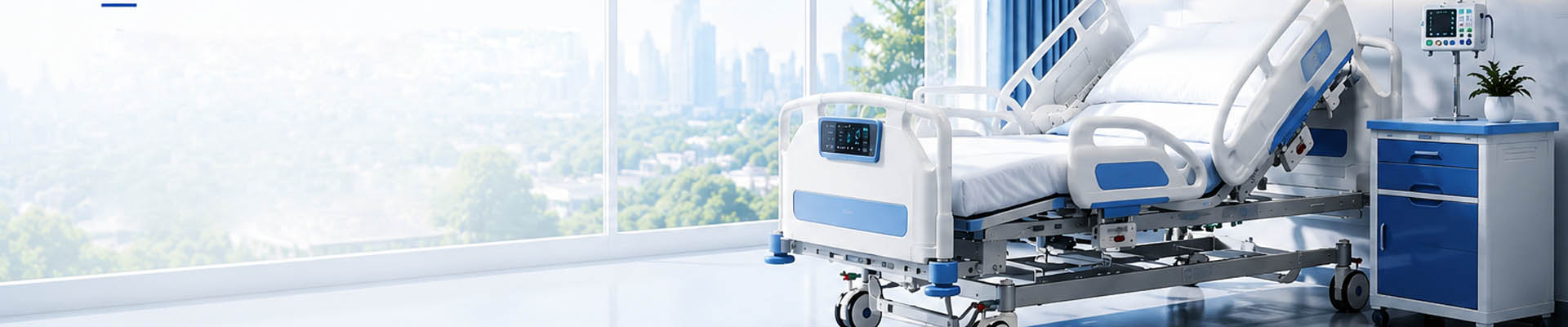

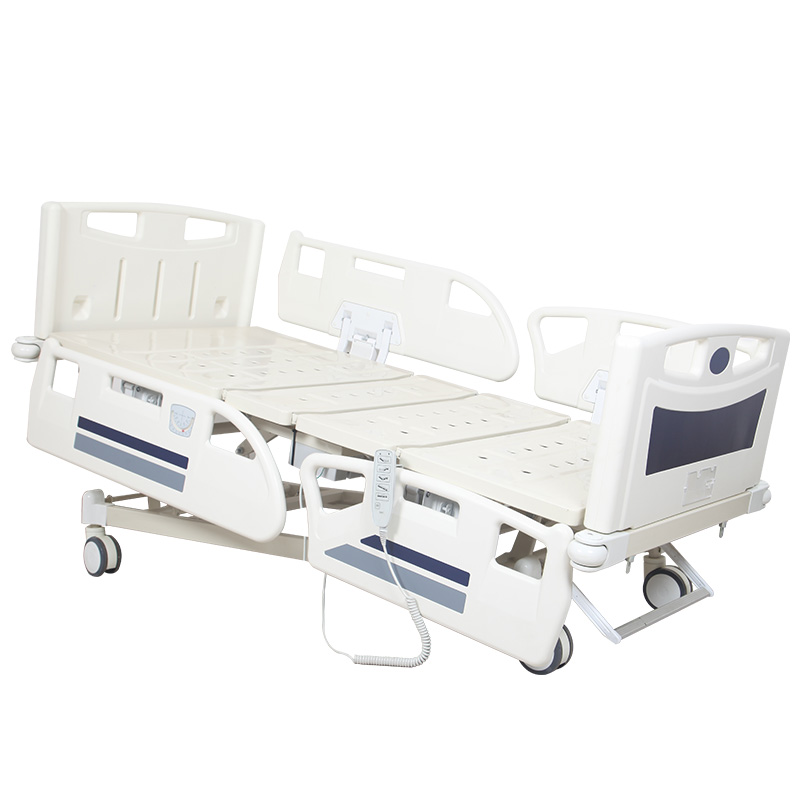
For many years, manual hospital beds were widely used in healthcare facilities because of their simple structure and lower initial cost. However, as healthcare requirements continue to change, more hospitals are upgrading to electric hospital beds. Electric hospital beds provide improved positioning flexibility, better caregiver efficiency, and enhanced patient comfort, making them an increasingly important solution for modern healthcare environments. Patients often need different positions during treatment, recovery, and daily care. Manual adjustment can be difficult, especially for patients with limited mobility. Electric systems allow users and caregivers to adjust bed positions more conveniently according to individual needs. Patients can achieve more comfortable positions for sleeping, eating, communication, and rehabilitation activities. Explore our professional Electric Hospital Bed solutions designed for hospitals and healthcare facilities. Healthcare workers perform many physical tasks every day. Equipment design directly affects their efficiency and safety. Electric adjustment functions reduce the need for repeated manual positioning. Caregivers can complete daily care procedures more efficiently, especially in busy hospital environments. Modern healthcare focuses more on patient comfort, safety, and personalized care. Different patients may require different bed positions during treatment and recovery. Adjustable electric beds can support rehabilitation activities and improve patient participation. Many healthcare facilities are facing increasing pressure from staffing requirements and workload management. Electric hospital beds help caregivers manage daily tasks with less physical effort. Better equipment efficiency allows healthcare facilities to optimize their care processes. Hospitals should choose suitable configurations according to departments, patients, and care requirements. Backrest and leg adjustment functions can meet many general ward requirements. Height adjustment, trendelenburg functions, and additional features may be suitable for more specialized applications. Electric hospital beds involve mechanical, electrical, and safety systems. Supplier quality directly affects long-term performance. Experienced manufacturers understand healthcare requirements and production standards. Reliable suppliers provide support for operation, maintenance, and future requirements. The transition from manual to electric hospital beds is not simply an equipment replacement. It represents a move toward safer, more efficient, and more patient-centered healthcare environments. Learn more about our manufacturing capabilities through our Factory page or Contact Us to discuss your electric hospital bed requirements.Healthcare Facilities Are Moving Toward Electric Hospital Beds
Improving Patient Comfort Through Easier Position Adjustment
Easy Position Changes
Better Daily Experience
Reducing Physical Burden for Caregivers
Less Manual Operation
Improved Working Efficiency
Why Hospitals Upgrade From Manual to Electric Beds
Growing Demand for Patient-Centered Care
Individual Positioning Requirements
Better Rehabilitation Support
Healthcare Labor Challenges Increase Equipment Demand
Support Efficient Care Delivery
Improve Resource Utilization
Important Considerations Before Upgrading to Electric Beds
Select Functions Based on Actual Needs
Basic Electric Functions
Advanced Electric Functions
Evaluate Supplier Capability
Check Manufacturing Experience
Confirm Technical Support
Common Upgrade Mistakes
Electric Hospital Bed Upgrade Checklist
Expert Tip