

Actuator noise is not always listed at the top of an electric care bed quotation, but it strongly affects how users judge quality. A bed may lift correctly and still feel poor if the motor sound is harsh, uneven, or noticeably louder than expected. Distributors should test actuator noise before they commit to repeated orders.
Noise testing should happen in a quiet room
Testing an actuator in a noisy workshop tells very little. Factory machines, forklifts, and people talking can hide problems. A buyer should request a quiet-room video or test the sample in a calmer space where motor sound can be judged more realistically.
The test does not need to be overly technical. Listen to the bed raising, lowering, lifting the backrest, adjusting the knee section, and returning to flat position. The sound should be steady and reasonable for the product level.
Uneven clicking, grinding, sudden pitch changes, or vibration through the frame deserve attention. These sounds may not prove a failure, but they are worth discussing before bulk order.
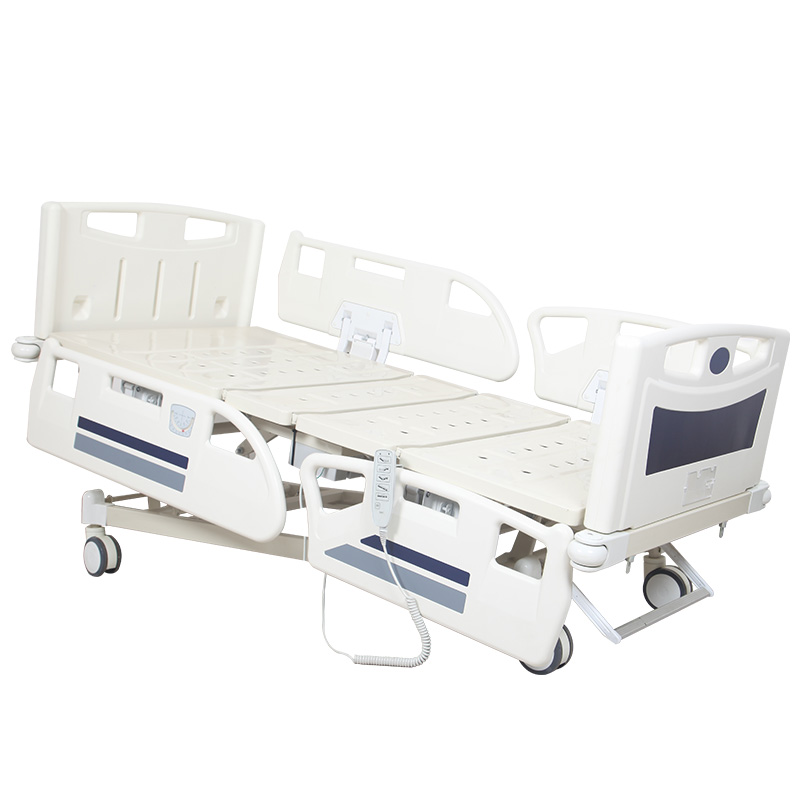
When checking this point, keep the related electric hospital bed models in the same procurement file so sales, purchasing, and service teams follow one clear standard.
For B2B distribution, the user perception matters. A loud actuator can make caregivers and families doubt the product even if it still functions.
Test with realistic load and mattress setup
An empty bed may sound different from a bed with mattress and load. During sample approval, test the bed in a condition close to actual use. The mattress, accessories, and load distribution can change vibration and sound.
If a supplier only provides a short video of an empty frame, ask for a second test. Buyers need to know how the bed behaves when it is used in a room, not only when it is demonstrated in a workshop.
The load does not need to be extreme. The point is to hear whether the actuator works smoothly under normal resistance.
If the bed includes several electric functions, test them one by one and then test common sequences. Some noise issues appear only when functions are used repeatedly.
Check mounting points and frame resonance
Sometimes the actuator itself is acceptable, but the mounting point or frame structure creates noise. Loose brackets, thin covers, or poorly controlled clearance can produce vibration. Buyers should inspect the actuator mounting area during sample review.
Ask whether bolts are secured properly and whether movement creates rubbing against nearby parts. Small contact points can become louder after repeated use.
When checking this point, keep the related nursing bed use in the same procurement file so sales, purchasing, and service teams follow one clear standard.
Frame resonance is especially important for beds used in quiet care rooms. A motor sound that feels normal in a warehouse can feel intrusive at night.
A mature supplier should be willing to discuss not only the actuator brand but also how the actuator is installed.
Listen for consistency across units
One good sample is useful, but bulk consistency is more important. For larger orders, buyers should test several units from different cartons. If one bed sounds smooth and another sounds rough, the issue may be assembly control rather than design.
Ask the supplier how actuator testing is performed before packing. A short function test on every unit can catch obvious problems before shipment.
For distributors, inconsistent sound creates service pressure. Customers compare beds in the same facility and notice when one unit sounds different.
Consistency is part of perceived quality. It should be checked during incoming inspection.
Do not judge noise only by decibel numbers
A decibel number can be useful, but it does not tell the whole story. Human ears notice tone, rhythm, vibration, and sudden changes. A slightly louder but steady motor may feel better than a quieter motor with unpleasant clicking.
This is why practical listening tests are important. Ask a few people to listen, not only the engineer. Users and caregivers may react differently from technical staff.
When checking this point, keep the related standing bed function in the same procurement file so sales, purchasing, and service teams follow one clear standard.
If the supplier provides a noise claim, ask how it was measured. Distance, room condition, load, and function position all affect the result.
Use numbers as support, not as the only decision.
Train dealers to explain normal sound
Electric beds are not silent. Dealers should be able to explain what normal actuator sound is and what sound should be reported. This reduces unnecessary complaints and helps users feel more confident.
A simple installation demonstration helps. Operate the bed through all functions and let the customer hear normal movement. If the customer later hears a very different sound, they know to contact service.
For care facilities, staff training can include basic listening checks. Unusual sound may indicate a loose part, cable contact, or mounting issue.
Clear explanation prevents small concerns from becoming larger doubts about the product.
Keep actuator information in the product file
Distributors should keep actuator model information, supplier notes, replacement part details, and testing videos in the product file. This helps after-sales teams respond quickly.
When checking this point, keep the related bed accessories in the same procurement file so sales, purchasing, and service teams follow one clear standard.
If the actuator source changes, the buyer should be informed before shipment. A change may affect sound, speed, connector type, or service parts.
For repeat orders, compare new samples with previous videos. This is a practical way to notice changes that may not appear in a quotation.
Stable component information supports a more reliable electric care bed business.
Final distributor advice
Actuator noise testing is a small step, but it protects the user experience. Test in a quiet room, use realistic load, inspect mounting points, compare several units, and keep records.
The best electric care bed is not only functional on paper. It should feel steady, controlled, and trustworthy during daily operation.
A simple actuator test record format
A useful test record can include model, actuator source, test date, room condition, load condition, functions tested, unusual sound notes, and short video file names. It does not need to be complex.
If the buyer compares two suppliers, the same test format should be used for both. This makes the comparison more fair.
Keep the record with the quotation and sample file. When the next order is placed, the buyer can compare whether the product sound has changed.
For distributors, this record also helps service staff understand what normal operation sounded like when the product was approved.
When noise becomes an after-sales problem
Noise becomes a service problem when users think the bed is unsafe, damaged, or low quality. Even if the bed still works, the customer may lose confidence.
This is especially true in home care and night-time care environments. A rough sound at night feels more serious than the same sound in a warehouse.
Dealers should report repeated sound complaints with video evidence. The supplier can then check whether the issue is actuator, mounting, frame contact, or user environment.
A clear reporting habit helps both sides solve the issue faster and avoid emotional arguments.
For model selection, project quantities, or configuration confirmation, use the contact page after reviewing the technical requirements.